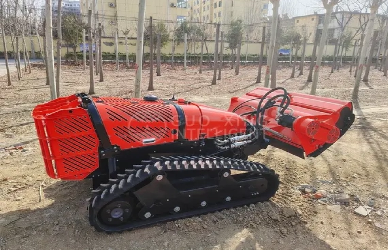
How Does A Firefighting Robot Work?
Firefighting robots are transforming fire response by tackling dangerous scenarios where human intervention is risky. These robots combine advanced robotics with firefighting capabilities to improve safety and efficiency.
More >>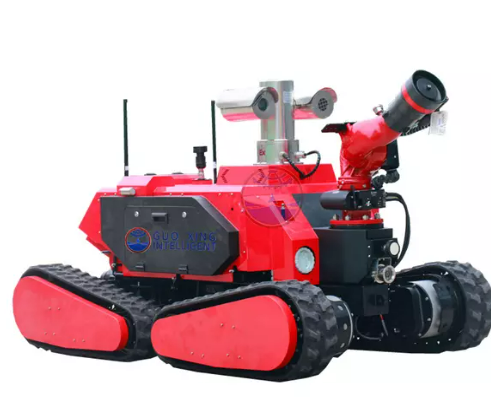
Understanding The Key Components of A Firefighting Robot And Their Functions
Firefighting robots have become a crucial tool in modern emergency response operations, especially in high-risk environments where traditional firefighting methods may pose significant dangers to human lives. These robots are designed to handle hazardous situations, such as chemical spills, industrial fires, and high-rise building blazes, where extreme heat, toxic fumes, and unstable structures create risks for human responders.
More >>
Firefighting Robots And Their Contribution To Safe Chemical Spill Management
Firefighting robots are becoming an essential tool in managing chemical spills, offering a safer and more efficient approach to handling hazardous materials. In environments such as chemical plants, oil refineries, and industrial facilities, chemical spills can quickly escalate into catastrophic fires, posing significant risks to human life, property, and the environment.
More >>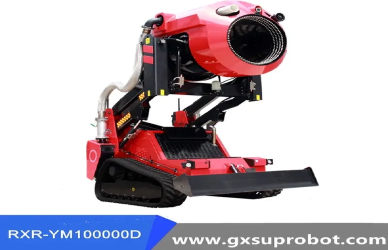
From Concept To Deployment: The Evolution of Firefighting Robots
Firefighting robots have evolved significantly from their initial conceptual stages to become powerful tools in modern firefighting operations. As fire scenarios become more complex, particularly in hazardous environments such as chemical plants, oil refineries, and urban fire zones, the need for advanced firefighting technology has grown.
More >>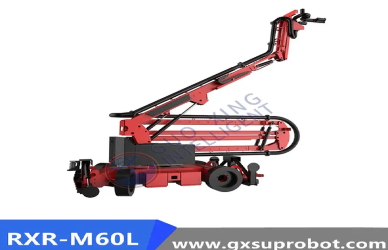
Top Features To Look for in Firefighting Robots for Hazardous Environments
The growing complexity and intensity of fires in hazardous environments, such as chemical plants, oil refineries, and urban fire zones, have made firefighting robots an increasingly essential tool for modern emergency response. These environments often present unique challenges, including toxic chemicals, extreme heat, and difficult-to-reach areas, where human firefighters are at significant risk.
More >>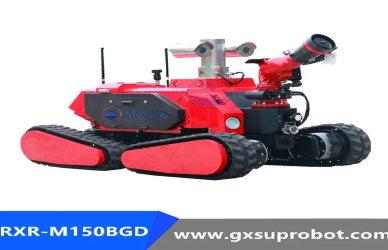
How Firefighting Robots Are Improving Response Times During Fire Emergencies
Quick response times during fire emergencies are crucial to minimizing damage, saving lives, and preventing further destruction. However, traditional firefighting methods often face challenges, such as limited access to hazardous areas, the physical strain on human firefighters, and delayed response times due to complex fire dynamics.
More >>