
Views: 0 Author: Site Editor Publish Time: 2026-04-23 Origin: Site


Sophisticated software and advanced sensors cannot compensate for a structurally compromised base. If the physical foundation fails under stress, your brilliant algorithms become entirely useless. We must prioritize mechanical integrity from day one. Designing a commercial or heavy-duty Robot Chassis requires balancing payload capacities, terrain constraints, and production scalability. A single miscalculation here often triggers a cascade of expensive hardware upgrades. You might find yourself trapped in an endless cycle of patching structural weak points. This guide provides a systematic, decision-stage framework for evaluating materials, drive mechanics, and structural geometries. We will help you engineer a reliable, scale-ready robotic foundation. You will learn exactly how to align physical constraints with operational goals before moving to manufacturing. By following these proven engineering principles, you can ensure long-term operational success.
Requirement-First Engineering: Payload and terrain define the architecture; failing to account for dynamic loads leads to the "weight snowball effect" (heavier frames require larger motors, reducing battery life).
Mechanical Integrity Rules: Implement strict dual-point shaft support and standard fastener management to prevent systemic mechanical failures under high shear stress.
Drive System Alignment: The choice between wheeled setups and a tracked robot chassis dictates your suspension complexity, traction capability, and SLAM accuracy.
Integration Readiness: A well-designed chassis actively mitigates electromagnetic interference (EMI) and absorbs vibrations, directly reducing cumulative odometry errors for autonomous navigation.
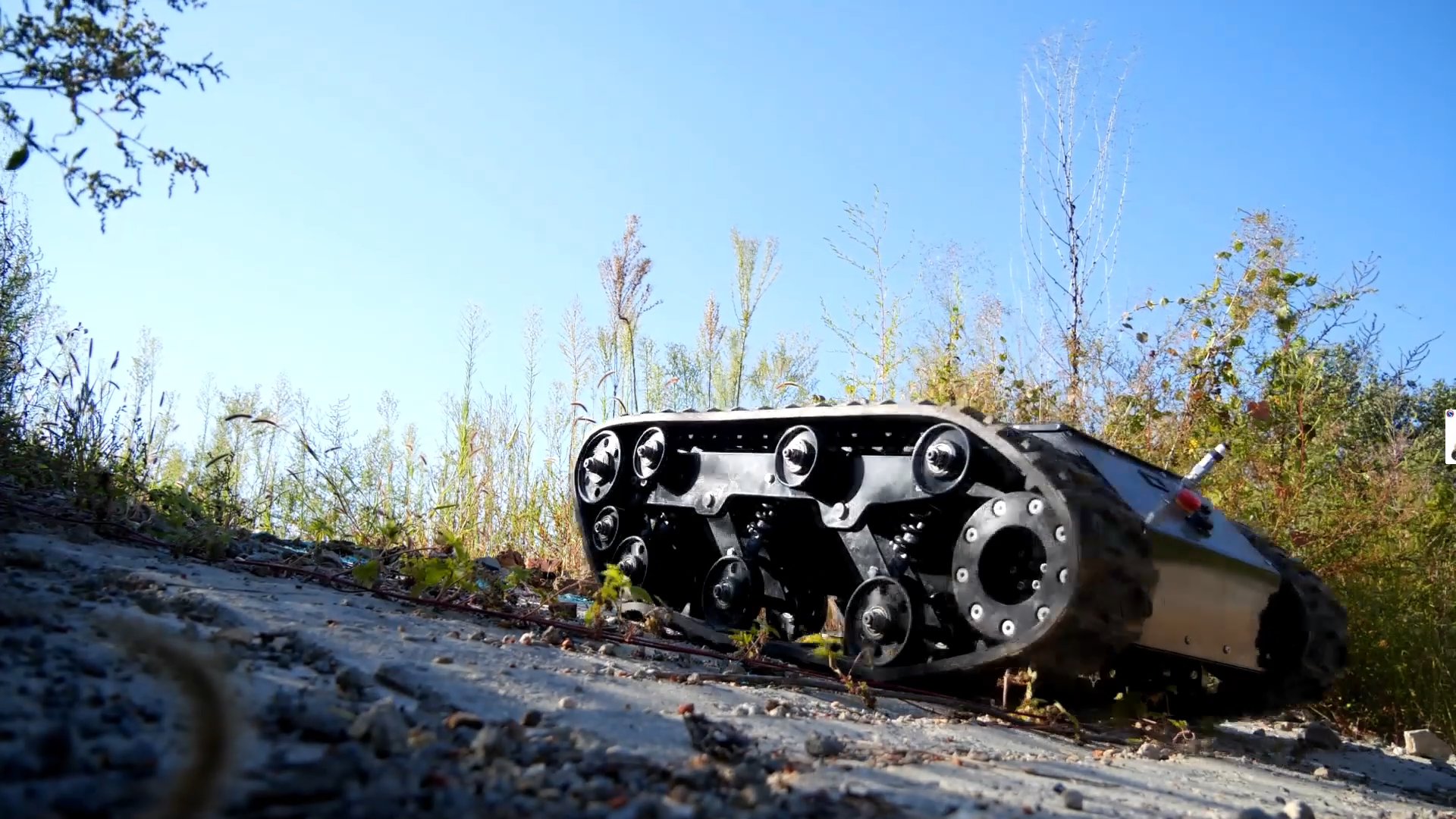
You must map the physical operating environment first. Evaluate the maximum incline grades your robot will encounter. Assess the surface friction coefficients of the target environment. Identify maximum obstacle heights to determine your minimum wheel diameter. These critical metrics dictate your necessary ground clearance. Insufficient ground clearance causes the undercarriage to drag. Excessive ground clearance raises the center of gravity dangerously high.
Engineers often confuse static weight and dynamic payload. You must differentiate between the static weight of the chassis itself and the dynamic payload it carries. Base your motor torque requirements on the combined gross weight. Traction needs scale linearly alongside this total mass. Ignoring dynamic load shifts during acceleration leads to stalled motors.
Heavy-duty applications carrying massive payloads require strict safety compliance. You must outline comprehensive safety mandates for these machines. Evaluate mechanical fail-safes carefully. Implement the following critical safety measures for high-payload systems:
Install worm gear drives to provide natural self-locking resistance against gravity.
Deploy automatic parking brakes linked directly to the emergency stop circuit.
Program automated deceleration profiles to prevent uncontrolled slope roll-aways upon sudden power loss.
Integrate redundant current limiters to protect motor controllers during stall conditions.
Material choices directly impact your Total Cost of Ownership (TCO). We often rely on 6061 or 8020 aluminum extrusions. They offer an exceptional strength-to-weight ratio. Aluminum acts as a natural heat sink. It pulls thermal energy away from hot electronic components. It also boasts high corrosion resistance. However, aluminum remains softer than steel. Square mounting holes can deform easily. They tend to "dig in" under high torque. We highly recommend using steel reinforcement plates at critical joints.
Welded steel delivers maximum rigidness for heavy load-bearing towers. It proves highly cost-effective at mass manufacturing scale. But steel carries significant engineering risks. It often triggers the dreaded "snowball effect." Extreme frame weight demands larger motors. Larger motors require bigger batteries. This cycle exponentially increases drive train costs. Steel also remains highly susceptible to rust in outdoor deployments without proper chemical treatment.
You can use polycarbonates for lightweight internal decking. These plastics handle minor kinetic impacts beautifully. However, actively avoid DIY materials like wood or basic acrylic for commercial deployment. They suffer from severe thermal and stress limitations. They warp under environmental moisture.
Material Type | Primary Advantage | Primary Disadvantage | Best Use Case |
|---|---|---|---|
Aluminum Alloys | High strength-to-weight ratio; natural heat dissipation. | Softer metal; holes can deform under high torque. | Medium-duty commercial robots; sensor mounts. |
Welded Steel | Maximum rigidity; cost-effective at scale. | Triggers the "weight snowball effect"; rusts easily. | Heavy load-bearing industrial towers (500kg+). |
Polycarbonates | Lightweight; impact-resistant; non-conductive. | Cannot handle structural bearing loads. | Internal electronic decking; protective covers. |
Skid-steering wheeled platforms require careful friction management. Design logic dictates we prioritize asymmetrical friction here. You should use high-grip tires near the center of gravity. This placement maximizes essential traction. Place low-friction tires at the extremities. Omni-wheels also work exceptionally well for these outer positions. This setup drastically reduces turning resistance. It prevents excessive motor strain during tight pivots.
High-traction systems shine in demanding outdoor environments. You will find a tracked robot chassis essential for uneven terrain. They conquer soft ground effortlessly. Stair-climbing applications make distributed surface pressure absolutely mandatory. Tracks spread the vehicle weight across a massive surface area.
Suspension mechanics dictate the success of tracked platforms. You must implement robust passive suspension mechanisms. High-elasticity tension spring rocker arms work incredibly well. They maintain continuous ground contact across jagged surfaces. Constant contact prevents derailment during tight turns. Furthermore, active suspension absorbs kinetic impacts. It stops shockwaves before they reach fragile onboard sensors. Proper track geometry ensures deep tooth engagement under severe lateral shear stress.
Mechanical reliability starts at the component level. The two-point support rule stands as a non-negotiable engineering standard. You must never allow cantilevered loads on drive motors. Single-point loads destroy internal bearings quickly. Always support drive shafts using at least two parallel bearings. This configuration prevents side-loading entirely. Side-loading drastically reduces motor lifespan. It also ruins overall drive efficiency by introducing unnecessary friction.
Fastener standardization saves immense time and money. We call this the K.I.S.S. Principle (Keep It Simple, Stupid). Restrict the entire chassis assembly to just two or three standard fastener types. This streamlined approach offers several benefits:
Accelerates the factory manufacturing process significantly.
Reduces costly assembly errors on the production floor.
Simplifies field maintenance for end-users operating in harsh environments.
Minimizes the tooling requirements for emergency repairs.
Industrial durability demands better solutions than friction-based set screws. Set screws slip under heavy loads. They score motor shafts and ruin alignments. Transition immediately to slotted keys. Shear pins offer excellent mechanical fail-safes. Direct welds handle high-impact rotational forces permanently. These hard joints transfer torque without relying on mere surface friction.
You must implement a strict EMI isolation strategy early. Physically separate high-current drive motors from sensitive logic boards. Keep motor controllers far away from microcontrollers. Isolate your communication antennas from high-voltage cables. This physical gap prevents electromagnetic noise interference. EMI easily corrupts data streams. It causes erratic sensor readings. Shielded cables provide a secondary layer of vital protection.
Frame rigidity goes beyond simple structural strength. It directly impacts your software stack. A rigid frame equipped with appropriate shock dampening reduces cumulative odometry errors. Wheel encoders demand a perfectly stable platform to track distance accurately. Frame flex distorts these readings over time. A rigid baseline allows ROS2 and SLAM algorithms to function reliably. Algorithms cannot fix sensor data ruined by structural vibrations.
Accessibility directly influences product longevity. Design dedicated routing holes for all wiring looms. Messy wires invite catastrophic snags during maintenance. Utilize quick-swap mechanisms widely. Accessible battery bays let operators swap power sources in seconds. Toolless access panels speed up routine inspections. These modular design choices minimize operational downtime. Ultimately, they reduce the total operating costs for your customers.
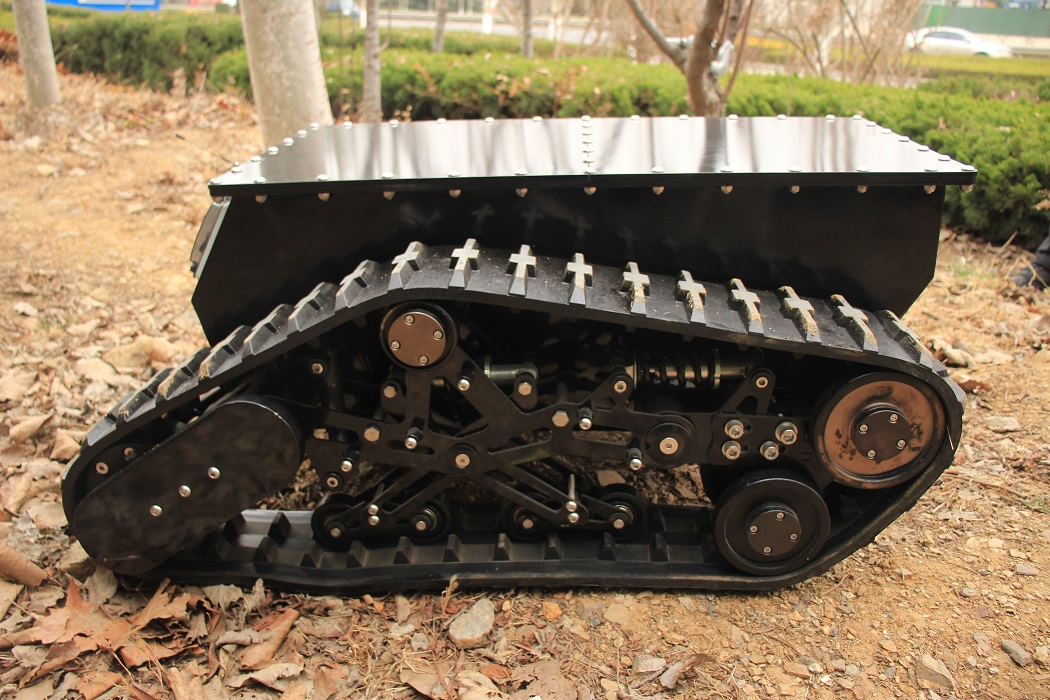
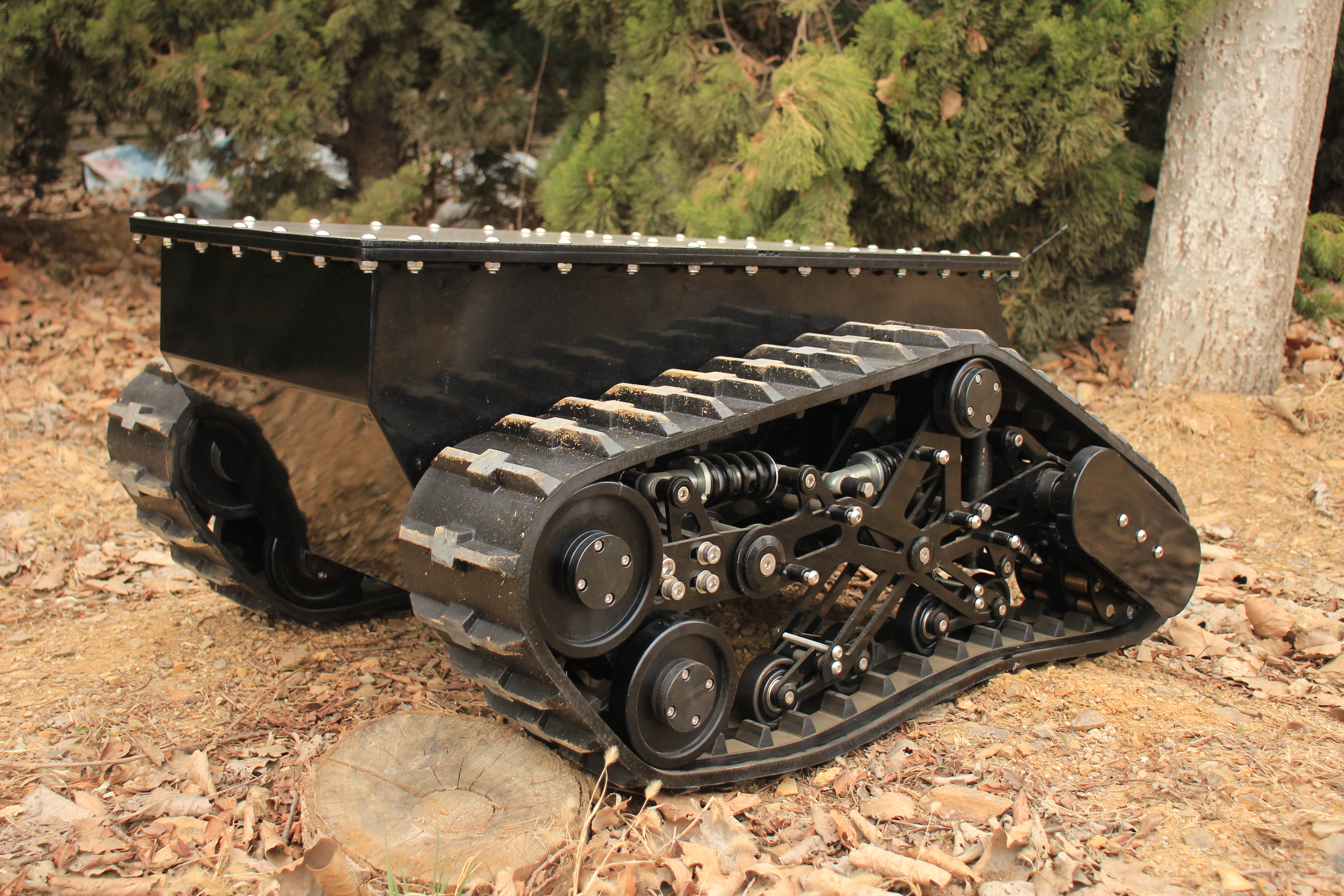
We must evaluate the ROI of Commercial-Off-The-Shelf (COTS) modules. Standard extrusions and COTS drive setups accelerate initial rollouts. They let you validate software algorithms quickly. However, investing in custom-machined unibody frames pays off at higher volumes. Custom frames reduce part counts. They eliminate failure points found in bolted assemblies.
Evaluation Metric | COTS Components | Custom Fabrication |
|---|---|---|
Initial Lead Time | Extremely fast (days to weeks). | Slow (months for tooling). |
Prototyping Cost | Low up-front investment. | High initial NRE costs. |
Design Optimization | Constrained by vendor sizing. | Perfectly tailored to payload. |
At-Scale Unit Cost | Remains relatively static. | Drops significantly with volume. |
Tension and wear management require dedicated engineering attention. Build adjustable tension mechanisms directly into your designs. Chain-driven components experience natural physical stretching over time. Rubber tracks elongate under heavy pulling forces. Your tensioners account for this lifecycle wear effortlessly. Without tensioners, components slip and catastrophic drivetrain failures occur.
Moving to production requires strict vendor oversight. Define a rigorous vendor evaluation matrix today. You need to verify manufacturing tolerances explicitly. Inspect their material sourcing methods for quality assurance. Request thorough payload testing data from your manufacturing partners. This data ensures a smooth transition from digital CAD designs to physical stress-testing. Never accept theoretical load limits without physical validation.
A production-grade chassis requires uncompromising alignment. You must balance mechanical durability, drive train physics, and electronic isolation seamlessly. Treating the physical frame as an afterthought guarantees project failure. The physical hardware serves as the anchor for all advanced autonomous capabilities.
Prioritizing load-appropriate materials matters deeply. Proven mechanical principles like dual-point support ensure long-term success. Proper tensioning guarantees the physical hardware will never bottleneck software capabilities. Every gram of weight and every millimeter of clearance plays a critical role in final performance.
Finalize your specific payload specifications today. Map out your exact terrain profiles before requesting structural quotes. Lock in these environmental details before finalizing your motor specs. This proactive approach prevents costly redesigns and accelerates your path to market.
A: Calculate your clearance based on the highest expected obstacle in the deployment environment. You must ensure the chosen clearance does not force a wheel diameter that severely compromises motor torque. A standard rule requires wheels to be at least twice as tall as the maximum obstacle height.
A: This derailment is typically caused by inadequate track tensioning. It also happens when you lack a rigid active-idler system. A proper suspension setup maintains deep tooth engagement under lateral shear stress. You must keep the tracks tight while absorbing ground impact.
A: While structurally sound, you should never hard-mount sensitive equipment directly. Sensors like LiDAR or IMUs must use vibration-dampening standoffs. These rubberized mounts prevent high-frequency motor resonance from polluting your sensor data. Clean data remains essential for accurate autonomous navigation.