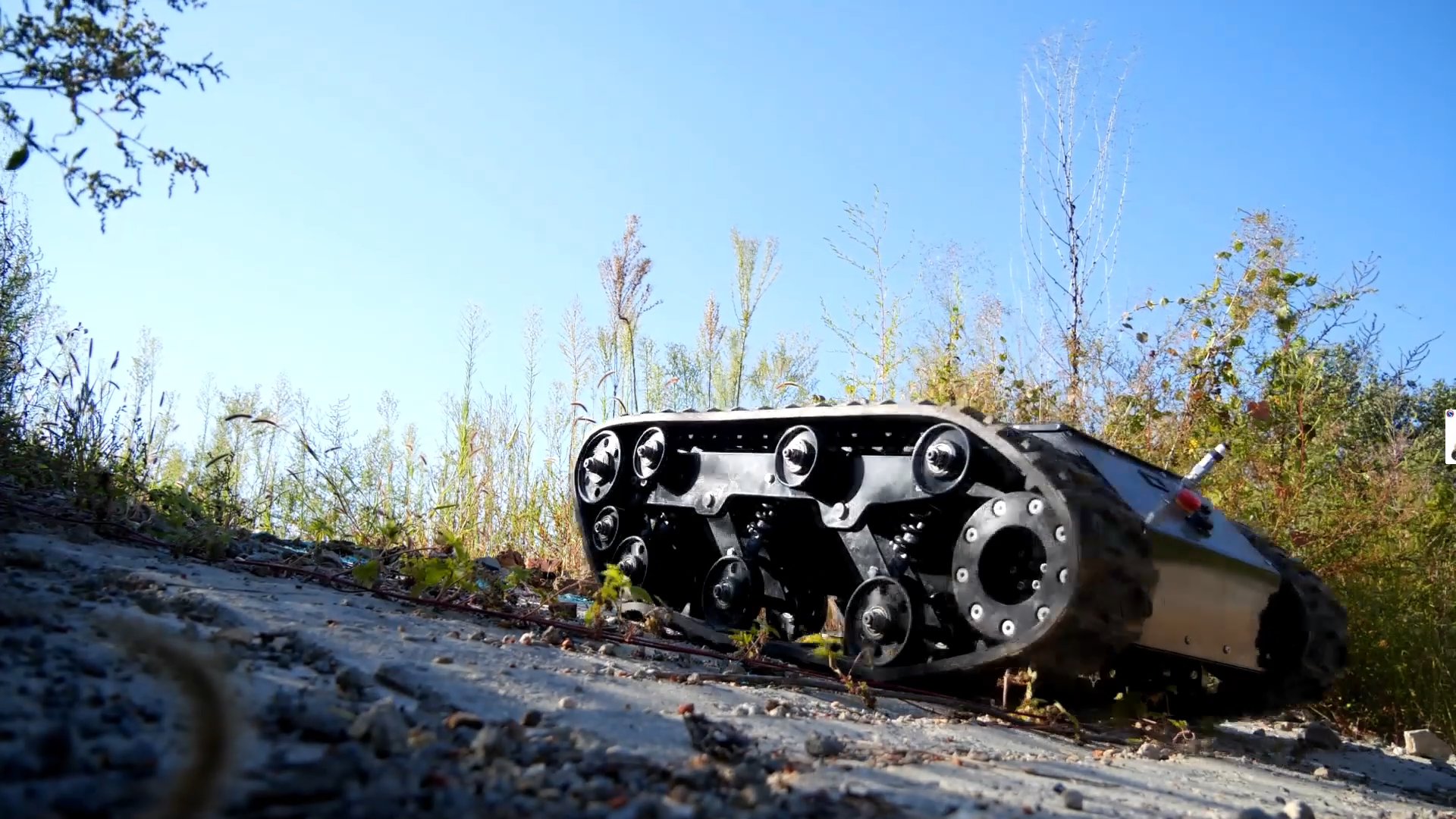
Top Coal Mine Robotics Trends Shaping 2026
2026 marks a critical inflection point for coal mine robot deployment. The global mining robotics market will grow substantially this year. The global coal mine inspection robot market expands steadily, driven by stricter safety rules.
More >>
How Water Mist Self-Protection Cools a Firefighting Robot ?
Tracked firefighting robots use water mist self-protection to survive extreme heat. This evaporative cooling shields electronics, enabling safe and continuous fire suppression.
More >>
Are Tank Treads a Pulley System?
Have you ever wondered why heavy crawlers and all-terrain robots use continuous continuous track tracks instead of standard wheels? While they look like a continuous belt wrapped around circular wheels, classifying their mechanical operation is a common debate. In this article, you will learn whethe
More >>
Are Tank Treads a Must?
Have you ever seen a mobile robot get helplessly stuck in thick mud or flip on steep rubble? Choosing between continuous tracks and conventional wheels can make or break your entire mission. Are tank treads a must for your robotic platform, or can heavy-duty wheels deliver the job? In this guide, yo
More >>
Why Do Tanks Have Treads?
A tank may weigh many tons, yet it must cross ground where cars fail. Wheels can sink, spin, or become trapped. Tank treads spread weight and maintain grip. In this article, you will learn how tracks improve mobility, steering, stability, and obstacle crossing.
More >>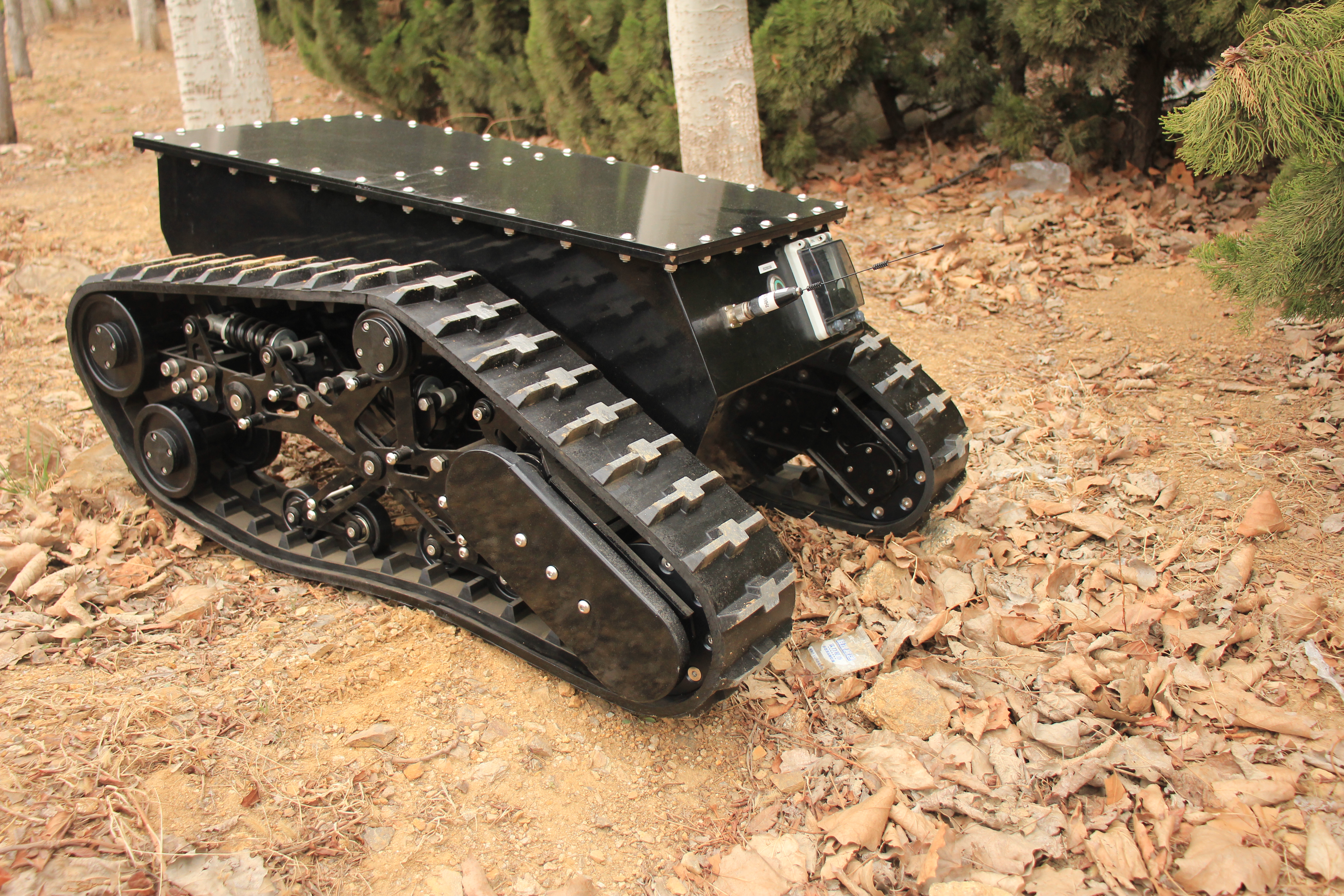
What Are Tank Treads Made Of?
Have you ever wondered how heavy armored vehicles and industrial robots glide across jagged rocks and deep mud without damaging their wheels? The secret lies in their rugged outer continuous track systems. These specialized systems rely on heavy-duty materials designed to endure extreme stress, high
More >>