
Views: 0 Author: Site Editor Publish Time: 2026-03-17 Origin: Site


In modern robotics, the robot chassis is the structural and functional foundation of every mobile robotic system. Whether the robot is used for industrial inspection, firefighting, mining, military tasks, or autonomous navigation, the chassis determines how stable, durable, and efficient the entire robot will be. A professional robot chassis is not only responsible for supporting the mechanical structure, but also for ensuring smooth movement, strong load capacity, and reliable operation in complex environments.
With the rapid development of industrial automation and unmanned systems, choosing the right chassis has become more important than ever. A low-quality chassis may cause vibration, control errors, or early mechanical failure, while a high-performance chassis can significantly improve the lifespan and safety of the robot. Therefore, before selecting a robot platform, it is necessary to carefully evaluate its structural strength, mobility, load capacity, environmental adaptability, compatibility, and overall reliability.
This article explains the key factors that should be considered when evaluating the performance of a professional robot chassis, helping engineers, manufacturers, and buyers choose the most suitable platform for industrial applications.
The structural design of a robot chassis is the first factor that determines its performance. A professional chassis must be built using high-strength materials such as reinforced steel, aluminum alloy, or composite metal structures. These materials provide the rigidity needed to support heavy components and prevent deformation during long-term operation.
A weak frame may cause the robot to lose balance or suffer mechanical damage when carrying equipment or moving on uneven terrain. For industrial robots, the chassis must be able to handle vibration, impact, and continuous stress without losing stability.
Besides material quality, manufacturing precision is equally important. High-quality machining ensures that all parts fit correctly, which reduces friction and improves movement accuracy. Poor machining may cause misalignment of motors, wheels, or tracks, leading to vibration and faster wear.
Connection points such as welding joints, bolts, and mounting brackets must also be strong and reliable. If these connections are weak, the chassis may loosen after long use, reducing stability and safety.
Factor | What to Check | Why It Matters |
Material strength | Steel, aluminum, reinforced frame | Prevents deformation |
Frame design | Reinforced structure, thick plates | Improves load capacity |
Welding quality | Smooth and solid joints | Prevents cracking |
Machining accuracy | Tight tolerance, precise holes | Reduces vibration |
Mounting stability | Strong connection points | Ensures durability |
A professional industrial robot chassis should pass all these structural checks before being used in demanding environments.
The mobility of a robot chassis determines where the robot can operate. Different applications require different drive systems, such as tracked, wheeled, or hybrid platforms.
Tracked chassis are usually used in outdoor or rough environments because they provide strong traction and obstacle-crossing ability. Wheeled chassis are more suitable for indoor or flat surfaces where speed and efficiency are required.
A professional chassis should maintain stable movement on slopes, uneven ground, and narrow spaces without losing control.
Driving performance is not only about speed. A high-quality chassis should also provide smooth turning, strong climbing ability, and stable movement under load. If the drive system is poorly designed, the robot may slip, tilt, or become difficult to control.
Industrial robots often carry heavy equipment, so the chassis must keep balance even when the center of gravity changes. Suspension systems and strong drive motors help maintain stability in these situations.
Chassis Type | Advantages | Typical Use |
Tracked robot chassis | Strong traction, high stability | Mining, firefighting |
Wheeled robot chassis | Fast, efficient, flexible | Inspection, AGV |
Heavy-duty chassis | High load capacity | Industrial robots |
Custom chassis | Designed for special tasks | OEM / research |
Choosing the right UGV chassis ensures the robot can perform safely in its working environment.
Load capacity is one of the most important indicators of a professional robot chassis. The chassis must support motors, batteries, sensors, control systems, and working equipment without bending or losing balance.
If the payload exceeds the rated limit, the chassis may deform or the drive system may wear out quickly. For industrial robots, a high load capacity is essential for long-term reliability.
A well-designed chassis keeps the center of gravity low and evenly distributed. This prevents tipping when the robot turns, climbs, or carries heavy tools.
Professional chassis usually include reinforced frames, wide track spacing, or suspension systems to improve stability. These features allow the robot to work safely even under difficult conditions.
Performance Item | Good Chassis | Poor Chassis |
Load capacity | High and stable | Easily overloaded |
Balance | Even weight distribution | Tilts under load |
Frame strength | Reinforced structure | Weak frame |
Long-term use | Durable | Fast wear |
Safety | High | Risk of failure |
A strong heavy duty robot chassis greatly improves the overall performance of the robotic system.
Industrial robots often work in harsh environments, so the robot chassis must have proper protection. Dust can damage moving parts, water can affect bearings, and high temperature can weaken materials.
A professional chassis usually includes sealed structure, protective covers, and heat-resistant materials to ensure reliable operation.
In industries such as oil, gas, and mining, the chassis may be exposed to chemicals or explosive gases. In these cases, corrosion-resistant coatings and explosion-proof design are necessary.
Without proper protection, the chassis may rust, weaken, or become unsafe to use.
Environment | Required Feature |
Outdoor | Waterproof, dustproof |
Mining | Reinforced structure |
Oil & gas | Explosion-proof |
Firefighting | Heat resistant |
Marine / chemical | Corrosion protection |
A professional industrial robot chassis must be designed for the environment where it will operate.
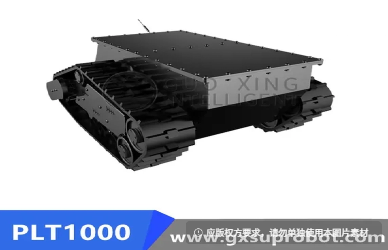
A good robot chassis should allow easy installation of sensors, cameras, robotic arms, and control systems. Standard mounting interfaces make integration faster and more reliable.
If the chassis does not support expansion, the robot may not be able to meet future requirements.
Professional chassis should support different motor controllers, communication systems, and power configurations. This allows the same chassis to be used in multiple projects.
Customization is also important for special robots that require unique size or payload.
Feature | Professional Chassis | Basic Chassis |
Mounting interface | Standard / custom | Limited |
Sensor support | Flexible | Fixed |
Control system | Compatible | Limited |
Customization | Available | Rare |
Upgrade ability | High | Low |
A flexible robot platform makes development easier and more efficient.
A professional robot chassis manufacturer should test the chassis before delivery. Common tests include load testing, vibration testing, and durability testing. These tests ensure the chassis can handle real working conditions.
Without proper testing, hidden problems may appear after the robot is put into use.
Choosing a reliable supplier is also important. A professional manufacturer can provide technical advice, customization, and long-term support.
Good support helps reduce downtime and keeps the robot working efficiently.
Item | Professional Manufacturer | Non-professional |
Testing | Complete | Limited |
Quality control | Strict | Unstable |
Custom design | Yes | Rare |
Technical support | Available | Limited |
Long-term reliability | High | Uncertain |
Working with an experienced supplier ensures the robot chassis will perform reliably for many years.
The first thing to check is structural strength and material quality, because the chassis must support all components and maintain stability during operation. A strong frame made from high-quality materials can prevent deformation, reduce vibration, and ensure the robot works reliably under heavy load and long operating hours.
You should check whether the chassis has waterproof, dustproof, and reinforced design, and whether it has been tested for rough terrain and heavy load conditions. Outdoor robots often face mud, slopes, rain, and impact, so a durable chassis with strong traction, sealed structure, and good shock resistance is necessary for safe and stable operation.
Yes, customization is very important because many industrial robots have special requirements for size, payload, mounting interface, or control system. A customizable robot chassis allows engineers to install different sensors, robotic arms, or inspection equipment, which improves compatibility and makes the robot more efficient for specific tasks.
Professional manufacturers usually have advanced production equipment, strict quality control, and extensive experience in industrial robotics. They can provide reliable design, durability testing, and technical support to ensure the chassis performs well in real working environments. Choosing a trusted supplier also helps reduce maintenance cost and ensures long-term stable operation.
Evaluating the performance of a professional robot chassis requires checking multiple factors, including structural strength, driving performance, load capacity, environmental protection, compatibility, and reliability. Since the chassis supports the entire robotic system, its quality directly affects stability, safety, and service life.
A high-performance chassis made from strong materials, precise manufacturing, and reliable drive design can operate smoothly even in harsh industrial environments. In addition, proper testing and support from a professional manufacturer help ensure long-term stability.
By carefully evaluating these factors before selection, users can choose the right industrial robot chassis for their application, reduce maintenance costs, and achieve better performance in demanding robotic tasks.