
Views: 0 Author: Site Editor Publish Time: 2026-02-16 Origin: Site


Robot tank chassis are becoming essential in a variety of industries, from firefighting and military operations to environmental monitoring and search and rescue missions. These high-performance platforms are built to handle challenging tasks in rugged and often dangerous environments. The unique combination of strength, mobility, and versatility in robot tank chassis makes them invaluable for operations where human access is limited or unsafe.
As industries continue to demand efficient, reliable, and safe solutions, robot tank chassis have evolved into critical assets. With their ability to navigate complex terrains and carry heavy payloads, these systems play a crucial role in missions that require both precision and stability in hazardous conditions.
In this article, we will explore the key features to look for in a robot tank chassis. These features define the capabilities and performance of these advanced robotic platforms. From mobility and payload capacity to durability and power efficiency, understanding these features will help you make informed decisions when choosing a robot tank chassis for your specific needs.
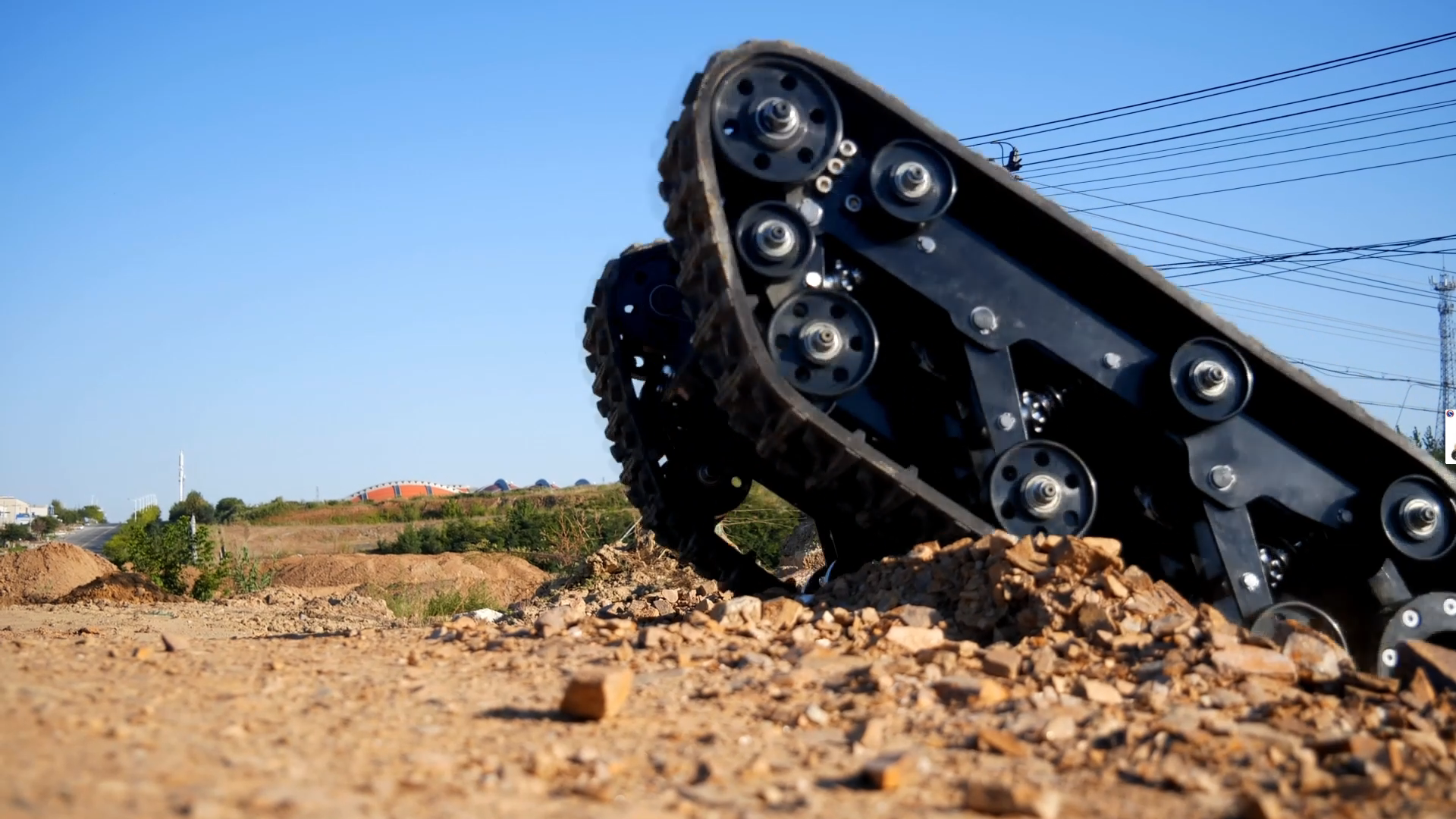
One of the most important factors in the performance of a robot tank chassis is its ability to move smoothly over challenging terrain. A robust suspension system is critical in ensuring that the chassis can navigate rough and uneven surfaces. These systems are designed to absorb shocks and vibrations, preventing damage to both the chassis and its equipment while providing a smooth ride.
Advanced suspension systems, such as the Christie+Matilda four-wheel balance system, enhance the chassis' ability to tackle even the toughest terrains, like rocky ground, muddy areas, or steep inclines. The suspension system works by adjusting to the surface it is navigating, reducing the impact of terrain on both the vehicle and its equipment.
The suspension system plays a pivotal role in maintaining the stability of the robot tank chassis. With the ability to handle uneven surfaces, the suspension prevents the chassis from tipping or losing control. This is especially crucial in missions like firefighting, rescue operations, and military reconnaissance, where stability is vital for completing the task without compromising safety.
Ground clearance is a vital design consideration for any robot tank chassis. Adequate ground clearance ensures that the chassis can clear obstacles such as rocks, logs, or debris without getting stuck. A higher ground clearance provides the robot with better mobility over rough terrain, preventing it from bottoming out on uneven surfaces.
The design of the tracks used on a robot tank chassis is just as important as its ground clearance. Wider tracks or specially designed treads distribute the weight of the chassis evenly across the ground, enhancing stability. This also reduces the risk of the robot sinking into soft surfaces like sand or snow, making it ideal for all-terrain capabilities.
Robot tank chassis are designed to handle a variety of environments, from mud and snow to rocky, steep slopes. Their versatility allows them to perform in conditions that would be impossible for traditional vehicles. For example, firefighting robots can traverse dense forests with uneven ground, while military robots can navigate minefields or battle zones to perform reconnaissance missions.
The adaptability of robot tank chassis to navigate through mud, water, steep slopes, and other challenging conditions makes them essential in industries where human access is limited and conditions are unpredictable.
Payload capacity is a key feature to consider when choosing a robot tank chassis. These chassis are engineered to carry significant loads, such as cameras, sensors, or firefighting equipment. Their ability to support heavy payloads without sacrificing mobility or stability is essential for ensuring effective performance across various industries.
Good weight distribution is crucial for preventing tipping or loss of control when the robot is carrying heavy loads. Engineers design robot tank chassis with balanced weight distribution to ensure that heavy equipment doesn't affect the chassis' stability. This is particularly important for applications such as military or rescue missions, where payloads can vary depending on the task.
Carrying heavy equipment can pose stability challenges, especially when navigating challenging terrains. A well-designed robot tank chassis uses advanced weight distribution techniques, reinforced tracks, and strong suspension systems to ensure that stability is maintained even under heavy loads. Whether it’s carrying a water tank for firefighting or surveillance equipment for military operations, the chassis is built to handle the weight without compromising performance.
One of the most significant advantages of robot tank chassis is their modular design, which allows for easy customization to meet specific mission requirements. A customizable chassis enables the integration of various equipment, including sensors, cameras, and other tools. This flexibility ensures that the chassis can be adapted for a wide range of applications, from environmental monitoring to military reconnaissance.
Robot tank chassis are used in many different industries, and their adaptability is a key factor in their widespread adoption. For example, a chassis used for firefighting might require a high water capacity, thermal cameras, and sensors to navigate burning areas, while a military chassis might need advanced surveillance systems and bomb disposal tools. The modularity of these platforms allows industries to select the specific features they need without having to invest in multiple specialized robots.
Robot tank chassis are essential in various industries, each requiring different capabilities. In the military, robot tank chassis are used for reconnaissance, explosive ordnance disposal, and surveillance. In firefighting, these chassis navigate through dangerous environments to suppress fires and save lives. Environmental monitoring applications also benefit from robot tank chassis, which can traverse difficult terrain to collect data in remote or hazardous locations.
Their ability to adapt to various tasks makes the robot tank chassis a versatile solution, capable of meeting the demands of industries that operate in challenging environments.
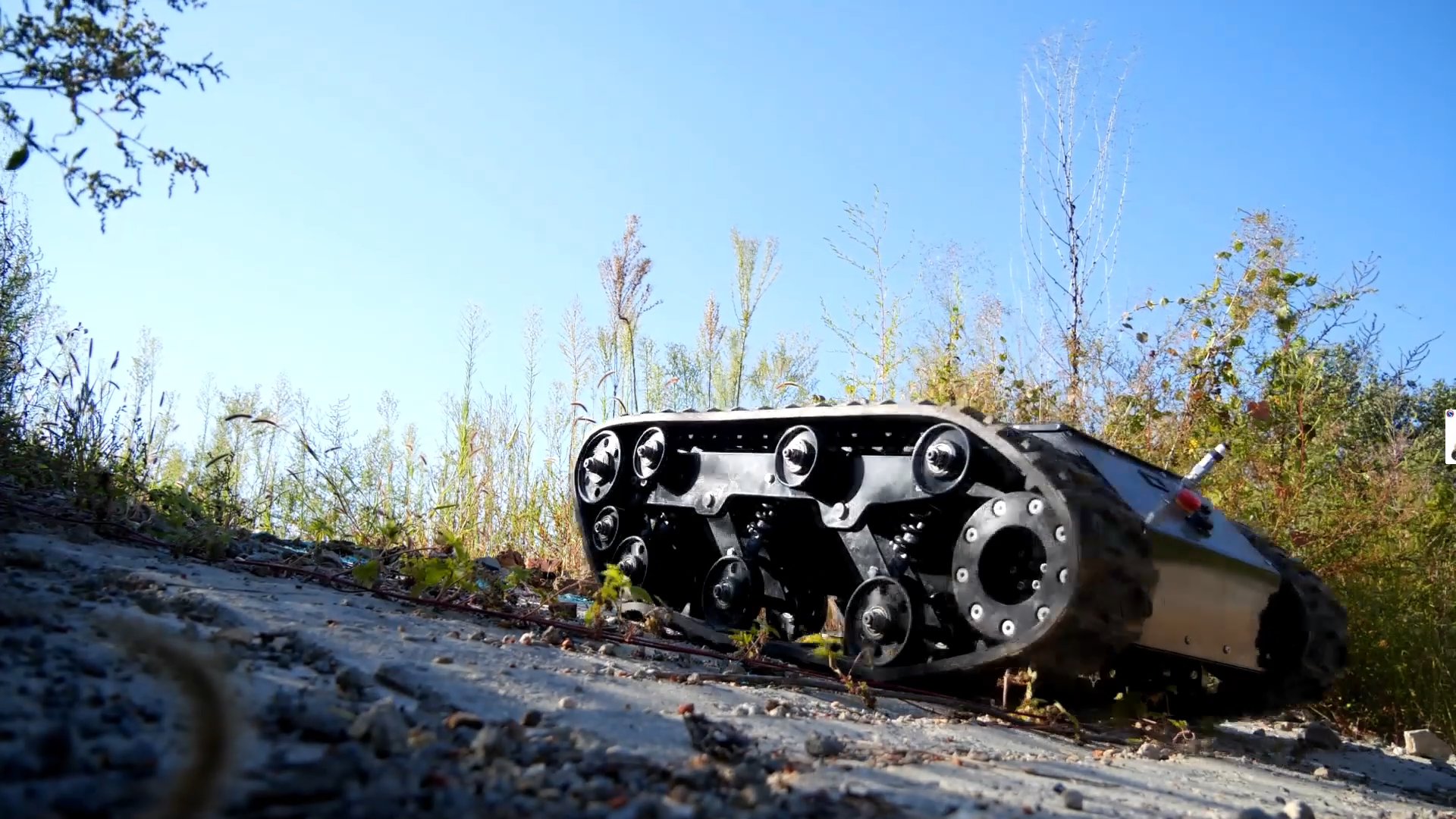
A robot tank chassis needs to be built with robust materials to withstand extreme conditions and heavy use. High-quality materials such as reinforced steel, durable composites, and impact-resistant alloys ensure that the chassis can endure harsh environments, from extreme temperatures to rough terrains.
The use of these materials helps to ensure that the chassis can continue to perform under pressure without frequent repairs or maintenance. This durability is essential in industries like military and firefighting, where the robot must work continuously in hazardous conditions.
Robot tank chassis are built to last, with materials designed to withstand not only physical impacts but also environmental factors such as moisture, dust, and temperature extremes. Their resilience allows them to continue performing without significant wear and tear, even in environments where traditional vehicles or equipment would quickly deteriorate.
Whether deployed in snow, rain, or extreme heat, robot tank chassis are designed to operate in the harshest weather conditions. Waterproofing, dust-resistant seals, and temperature-regulated systems ensure that the chassis can continue working efficiently, even in the most extreme climates.
These protective features are essential for maintaining reliability and ensuring that the chassis remain operational during long missions, regardless of weather or environmental challenges.
In addition to environmental protection, robot tank chassis are built to resist physical damage from rocks, debris, and impacts. Reinforced components and impact-resistant materials ensure that the chassis can continue to function even after encountering obstacles. This robustness makes the chassis highly reliable for missions that involve navigating rough, hazardous terrain.
In environments where terrain induces significant vibrations—such as rocky, uneven surfaces or areas with rough ground—vibration reduction technology becomes essential. The integration of vibration absorbers into a robot tank chassis helps to protect sensitive equipment, such as cameras, sensors, and communication systems, from damage caused by shock and constant vibrations.
These absorbers are strategically placed within the suspension system and chassis structure, mitigating the harsh effects of uneven surfaces. By reducing vibration, the chassis ensures stable and clear performance, which is especially important for high-precision tasks like surveillance, reconnaissance, and scientific data collection.
The suspension system in a robot tank chassis is directly responsible for ensuring stability, especially when the robot is operating on rough, bumpy, or unpredictable terrain. A well-designed suspension system can absorb shocks, stabilize the chassis, and improve overall operational efficiency. For example, the Christie+Matilda four-wheel balance suspension system not only absorbs vibrations but also stabilizes the chassis to minimize the impact on sensitive equipment.
Stabilization technology ensures that the chassis maintains balance and stability when traversing steep slopes, muddy fields, or rocky areas. This technology adjusts the suspension and damping to counteract sudden shifts in weight or uneven ground surfaces.
In tasks such as firefighting, where robots may need to navigate through dangerous areas with collapsing structures, or military operations in rugged terrains, maintaining stability is critical to ensure the chassis performs optimally and safely. The stability system prevents tipping and loss of control, even under heavy loads or in unstable conditions.
When working in remote or challenging environments, having a reliable power source is essential. A long-lasting battery allows robot tank chassis to operate for extended periods without needing to recharge, making it ideal for missions that span hours or days. Whether it’s a search-and-rescue operation, an environmental monitoring mission, or a military reconnaissance task, a robot tank chassis needs to perform without interruptions due to power failure.
Efficient energy management systems ensure that the robot uses its power resources wisely. By optimizing energy consumption, these systems help extend battery life, allowing the chassis to function for longer periods in the field. With proper energy management, robots can operate autonomously or in extreme conditions where external power sources are not available, thus ensuring continuous operation during critical missions.
The need for rapid deployment and minimal downtime has led to the development of fast-charging capabilities in robot tank chassis. Charging systems that allow the robot to recharge quickly between missions or during extended operations in remote areas are essential for keeping the chassis operational.
Fast-charging solutions are particularly valuable for industries like military and rescue operations, where robots need to be ready for action without long delays. Additionally, using alternative power sources, such as solar panels, can help keep the chassis operational in remote or off-grid locations.
To minimize downtime, some robot tank chassis are equipped with autonomous charging stations. These stations allow the chassis to recharge independently, ensuring that they are ready to go when needed. Whether through wireless charging or automated docking stations, these solutions help keep the robot tank chassis powered without requiring human intervention.
Autonomous navigation is one of the most advanced features of modern robot tank chassis. With the help of artificial intelligence (AI), these robots can navigate complex and unpredictable environments without human input. AI allows the chassis to analyze its surroundings, make decisions in real-time, and adapt to changes in terrain or obstacles.
For instance, in military applications, AI-driven navigation helps the robot avoid potential threats, navigate minefields, or conduct surveillance without endangering human lives. In rescue missions, AI can optimize the robot’s pathfinding to find the fastest or safest routes in disaster zones.
AI also enables the chassis to make real-time adjustments to its navigation and movement. For example, if an obstacle is detected, the robot can alter its path or adjust its speed without manual input. This capability is critical for tasks like exploration, reconnaissance, and firefighting, where terrain and conditions can change unexpectedly.
While autonomous navigation is vital, there are many scenarios where remote human control is necessary. Whether it’s for real-time decision-making or to handle tasks that require human judgment, remote control capabilities are crucial. Robot tank chassis are often equipped with user-friendly interfaces that allow operators to control the robot from a safe distance.
This remote control feature is essential for hazardous environments like firefighting or military operations, where human operators need to stay at a safe distance from potential dangers. The chassis can be controlled via wireless signals, using a variety of tools such as joysticks, touchscreens, or even virtual reality interfaces.
To ensure effective and efficient operation, the control systems for robot tank chassis are designed to be intuitive. These systems allow operators to control the robot easily, even in high-pressure situations. Features like real-time video streaming, GPS tracking, and system diagnostics help operators make informed decisions while navigating challenging environments.
Robot tank chassis rely heavily on sensor integration to understand and navigate their environment. Critical sensors like LIDAR, infrared cameras, and thermal sensors help the robot gather data about its surroundings, even in low visibility conditions. These sensors are crucial for tasks such as surveillance, inspection, and reconnaissance, where environmental awareness is key to success.
With these sensors, robot tank chassis can detect and analyze their surroundings in real-time. Whether it’s detecting a fire hotspot during firefighting or mapping out a disaster area for search and rescue, the chassis can collect and process data to enhance operational effectiveness. Sensor integration not only improves the robot’s ability to navigate but also supports mission-specific tasks that require detailed environmental data.
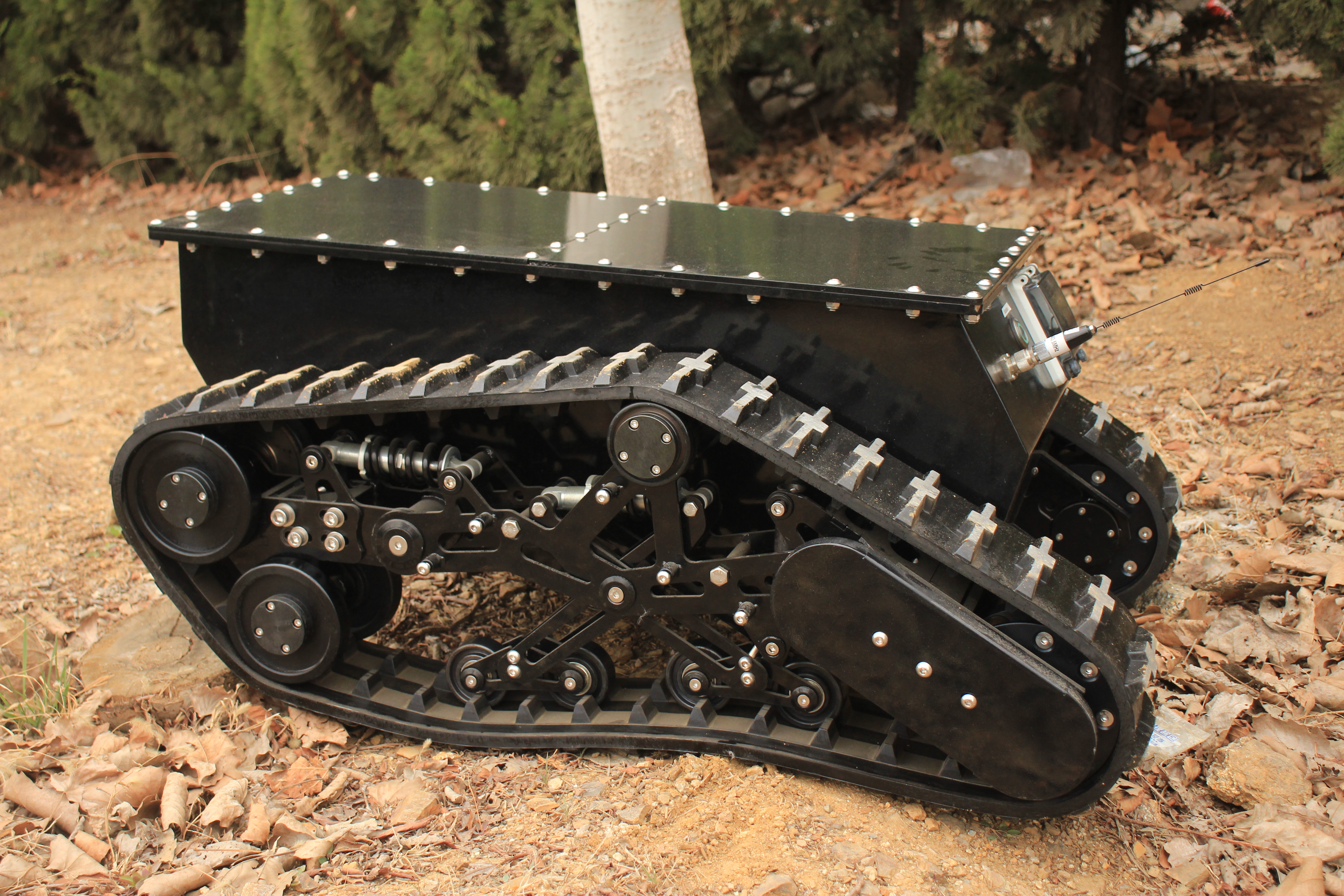
Emergency stop systems are critical safety features for robot tank chassis. These systems allow operators to immediately halt the robot's operations in case of an emergency or malfunction. Emergency stop buttons and automated safety protocols ensure that the chassis can be quickly deactivated to avoid further damage or accidents.
In some high-risk scenarios, operators may need to manually override the robot’s autonomous functions. Manual override options are essential for ensuring human control over the robot, especially when autonomous navigation may not be sufficient to handle a particular task or when conditions change rapidly. These systems allow operators to intervene and regain control in any situation.
Robot tank chassis can be equipped with hazard detection sensors to identify dangerous environmental conditions, such as gas leaks, fire, or unstable ground. These sensors help keep both the robot and human operators safe by alerting them to potential risks and enabling the robot to avoid hazardous areas.
These sensors are vital for applications in firefighting, military operations, or hazardous waste management, where encountering unknown or dangerous conditions is a constant risk. Early hazard detection ensures that the robot can take evasive actions or stop operations before damage occurs.
The robot tank chassis is designed with safety features to ensure the secure handling of payloads, especially when transporting hazardous or delicate equipment. With features like secure locking mechanisms and shock-resistant compartments, the chassis helps prevent damage to valuable payloads, ensuring safe operations across a variety of environments.
While the initial investment in a robot tank chassis might seem high, its long-term cost-effectiveness far outweighs the upfront cost. High-quality robot tank chassis are built for durability, reliability, and long-term performance, which reduces the need for frequent replacements or repairs. The ability to operate in challenging conditions without significant wear and tear means that these robots can be deployed continuously, saving on labor costs and reducing the need for specialized human intervention in hazardous environments.
In industries like firefighting or military operations, where human presence is often at great risk, the use of robot tank chassis allows organizations to save lives, reduce insurance costs, and minimize injury-related costs, making them a valuable investment over time.
Robot tank chassis are engineered for minimal maintenance, with durable materials and self-diagnostic systems that alert operators when maintenance is required. The longevity of the chassis reduces the need for frequent repairs, contributing to lower maintenance costs. Additionally, modular designs make it easier to replace or upgrade individual components, reducing downtime and improving overall operational efficiency.
One of the key factors to consider when investing in robot tank chassis is how easy it is to maintain and repair. Many chassis are designed with modular components that are easily accessible, allowing for quick repairs or upgrades. This is crucial for ensuring minimal downtime in critical operations. For example, sensors, cameras, or suspension systems can be replaced or upgraded without dismantling the entire chassis.
Standardized and modular parts not only simplify maintenance but also make it easier for operators to find replacement components. This reduces the time spent sourcing parts and minimizes operational disruptions. The availability of standardized parts ensures that even in remote locations, maintenance can be carried out effectively, allowing the robot to continue performing vital tasks.
Robot tank chassis are heavily utilized in military operations, where they perform tasks such as reconnaissance, bomb disposal, and surveillance. For example, a robot tank chassis might be deployed to enter dangerous areas to diffuse unexploded ordnance or conduct surveillance in areas that are too risky for human soldiers. In these high-risk situations, the robot’s ability to traverse rugged terrain and carry specialized equipment, like explosive disposal tools or surveillance cameras, is invaluable.
One such case involves a robot tank chassis used for explosive ordnance disposal (EOD) in a conflict zone. The robot was equipped with cameras and mechanical arms to safely disarm mines, allowing military personnel to maintain a safe distance while completing the mission.
In real-life firefighting applications, robot tank chassis have been deployed to navigate through dangerous, fire-ravaged areas. For instance, during a large wildfire, a robot tank chassis was used to access remote parts of the forest that were difficult for human firefighters to reach. The chassis, equipped with water pumps and thermal sensors, was able to extinguish flames and provide real-time thermal imaging of the fire's progression, enabling better decision-making in fire suppression efforts.
In search-and-rescue missions, robot tank chassis equipped with cameras, thermal sensors, and navigational tools can enter collapsed buildings or disaster zones to locate survivors, making it possible to rescue individuals from areas where human access is not possible.
Robot tank chassis are widely used in environmental monitoring applications, particularly in areas that are hard to access or hazardous. For example, in the aftermath of a chemical spill, a robot tank chassis equipped with gas detection sensors can navigate contaminated areas to assess the environmental damage without exposing human workers to danger.
In scientific exploration, these chassis are used to traverse difficult terrain like glaciers, caves, or volcanic craters. With the ability to carry specialized sensors and cameras, the chassis can collect important data in remote or extreme environments, supporting research efforts in fields such as geology, environmental science, and even space exploration.
In this article, we've discussed the essential features to consider when selecting a robot tank chassis. These include mobility, terrain adaptability, payload capacity, durability, vibration reduction, power efficiency, control systems, safety features, and overall cost efficiency. Each of these features plays a vital role in ensuring that the chassis can handle the complex and often hazardous tasks it’s designed for. From military operations to firefighting and environmental monitoring, robot tank chassis offer a versatile and reliable solution for challenging environments.
The future of robot tank chassis is poised for exciting developments. As technologies like artificial intelligence, autonomous navigation, and modular design continue to evolve, robot tank chassis will become even more efficient, intelligent, and adaptable. The integration of AI will enable more autonomous decision-making, reducing the need for human intervention while improving operational precision.
In addition, as industries face increasingly complex and hazardous environments, the demand for advanced robot tank chassis will continue to grow. The ability to customize and adapt these robots for various tasks will make them even more valuable in industries such as military, firefighting, exploration, and environmental protection. As these technologies continue to improve, robot tank chassis will play an even more significant role in shaping the future of robotics and overcoming the challenges posed by complex terrains.
At Guoxing Intelligent, we specialize in providing cutting-edge robotic solutions, including our highly durable and versatile robot tank chassis. With over 168 patents and years of experience, we have established ourselves as leaders in the field, delivering robust and reliable robotic platforms that excel in some of the most challenging environments.
Our robot tank chassis are designed to handle complex tasks across a variety of industries, from firefighting and military operations to environmental monitoring and disaster response. With advanced features such as AI-powered autonomous navigation, customizable payload capacity, and superior stability across rough terrains, our chassis provide unparalleled performance, ensuring your operations are more efficient, safer, and cost-effective.
Whether you're looking for a solution for hazardous missions, exploration, or surveillance, our robot tank chassis offer the flexibility, durability, and power you need. We are committed to providing high-quality products backed by exceptional customer support and innovation. Join us in embracing the future of robotics and automation.