
Views: 0 Author: Site Editor Publish Time: 2026-02-18 Origin: Site


In recent years, professional robots have become indispensable in numerous industries, from firefighting and military operations to environmental monitoring and search and rescue. Among the many features that contribute to their functionality and versatility, tracked chassis technology has become a key differentiator. The ability of tracked robots to navigate rough and complex terrains efficiently is one of the primary reasons they are relied upon in professional robotics.
Tracked chassis systems offer several advantages, particularly when navigating environments that are difficult for wheeled robots or humans to traverse. These systems enhance the stability, mobility, and payload capacity of robots, enabling them to perform tasks in environments that would otherwise be too hazardous or inaccessible. Whether it's a robot designed to fight fires in extreme conditions, explore dangerous terrain, or conduct military reconnaissance, tracked chassis provide the ideal solution for achieving high performance across a range of industries.
When designing robots for professional applications, engineers must choose the most suitable mobility platform based on the specific challenges of the task. Tracked chassis and wheeled platforms are the two most common mobility systems in robotics, each with its strengths and weaknesses.
While wheeled robots are often faster and more energy-efficient on smooth surfaces, tracked robots excel in environments that demand high stability and traction. The key difference lies in the way these two systems distribute weight and maintain contact with the ground. A tracked chassis provides a larger surface area for contact with the ground, which improves weight distribution, reduces ground pressure, and enhances traction in slippery or uneven terrains. In contrast, wheeled robots, though faster, may struggle in soft soils, mud, or rough ground, where their smaller contact area and higher ground pressure can cause them to become stuck or lose control.
For professional robots, especially those operating in hazardous environments, the ability to move reliably across rugged and unpredictable terrain is essential. This is where tracked chassis technology truly shines.
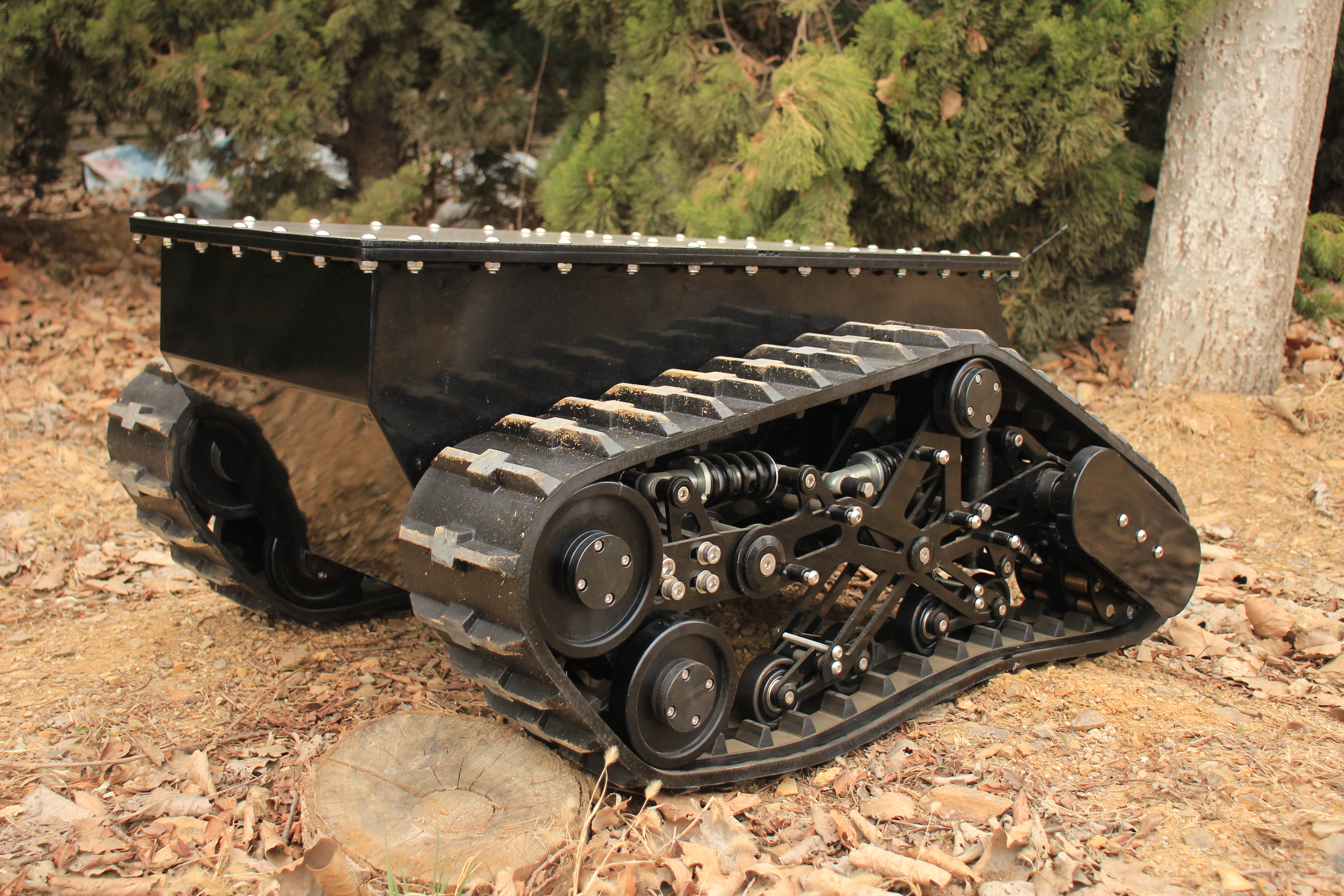
One of the most important reasons why professional robots rely on tracked chassis is their ability to navigate complex, uneven, and rugged terrain. Unlike wheeled robots, which are limited by surface friction and their inability to adapt to extreme inclines or obstacles, tracked robots can maintain stability and traction in challenging environments.
Tracked chassis excel in environments that require high adaptability, such as muddy fields, rocky landscapes, steep slopes, or snow-covered areas. By providing a continuous contact surface, tracked chassis allow robots to maintain consistent movement over these surfaces, even when the terrain is unstable. Whether it's an explosive ordnance disposal robot navigating a minefield or a firefighting robot traversing a burned-out building, tracked chassis offer the necessary support for both movement and operational stability.
In firefighting operations, for example, tracked robots are often deployed in areas that are difficult for human firefighters to access, such as forests with uneven ground or urban areas affected by fire damage. The ability of tracked robots to navigate through debris-filled areas or across steep embankments without tipping over is crucial for performing rescue operations and preventing further damage. Similarly, military robots use tracked chassis to move across rough battlefields, minefields, and other hazardous zones, ensuring that they can perform tasks without getting bogged down by terrain obstacles.
Another key benefit of tracked chassis in professional robots is their enhanced stability and traction. Stability is crucial when performing complex tasks, especially in environments where precision and safety are paramount. Tracked robots, with their wide tracks, can distribute their weight evenly across the surface, which improves their stability on uneven ground and reduces the likelihood of tipping over.
The importance of traction cannot be overstated when it comes to professional robotics. In firefighting, for example, robots need to traverse slippery, waterlogged, or oil-covered surfaces while maintaining a secure grip on the ground. Tracked robots excel in this area by providing superior traction, allowing them to move through unstable surfaces without losing control or becoming immobilized. Similarly, in military applications, robots used for surveillance or mine detection must be able to navigate unpredictable terrain while carrying sensitive equipment, and tracked chassis provide the ideal platform for maintaining consistent traction in these situations.
For even greater adaptability, many tracked robots incorporate advanced suspension systems that further improve their mobility. Suspension systems are crucial for absorbing shocks and vibrations when the robot moves across rugged terrain, ensuring that the chassis and onboard equipment are not damaged by rough impacts. These systems reduce the wear and tear on components, allowing the robot to perform reliably over extended periods.
Some tracked robots feature Christie+Matilda suspension systems that enhance mobility over uneven or rocky surfaces, providing smooth movement across challenging terrains. This suspension technology ensures that robots maintain their stability and operational capacity while reducing the impact of shocks and vibrations. With advanced suspension systems, tracked robots can maintain optimal performance even in the most demanding environments.
The ability to carry heavy payloads is another significant advantage of tracked chassis in professional robots. Payload capacity is critical in many industries, particularly for tasks that require robots to carry large or specialized equipment. A robot tank chassis is designed to support heavy tools, sensors, and cameras, making it an ideal platform for operations that require the robot to transport significant weight.
For example, military robots often carry bomb disposal equipment or surveillance tools, while firefighting robots may need to transport heavy water tanks, foam dispensers, or fire hoses. Tracked chassis are specifically engineered to handle such loads without compromising the stability or mobility of the robot.
The design of the chassis itself plays a crucial role in supporting payloads. A tracked robot chassis distributes weight evenly across its tracks, ensuring that it can carry heavy equipment without losing stability or becoming bogged down in soft soil or rough terrain. Additionally, tracked robots often feature large platform spaces that allow for easy customization of payloads. This adaptability allows these robots to take on a wide range of tasks, from search-and-rescue operations to military missions.
Tracked robot chassis are highly versatile and can be customized for specific tasks or environments. Their modular design allows various equipment to be easily integrated, depending on the mission's requirements. Whether it’s adding cameras, thermal sensors, or specialized firefighting tools, tracked robots can be adapted to meet the unique demands of each operation.
The modularity and customization options of tracked chassis are critical for industries such as firefighting, military, and environmental monitoring. In firefighting, for example, robots can be equipped with heat sensors, thermal cameras, or high-pressure water systems, allowing them to perform tasks such as fire suppression or hazard detection. Similarly, military robots can carry surveillance equipment, bomb disposal tools, or other specialized payloads tailored to the mission.
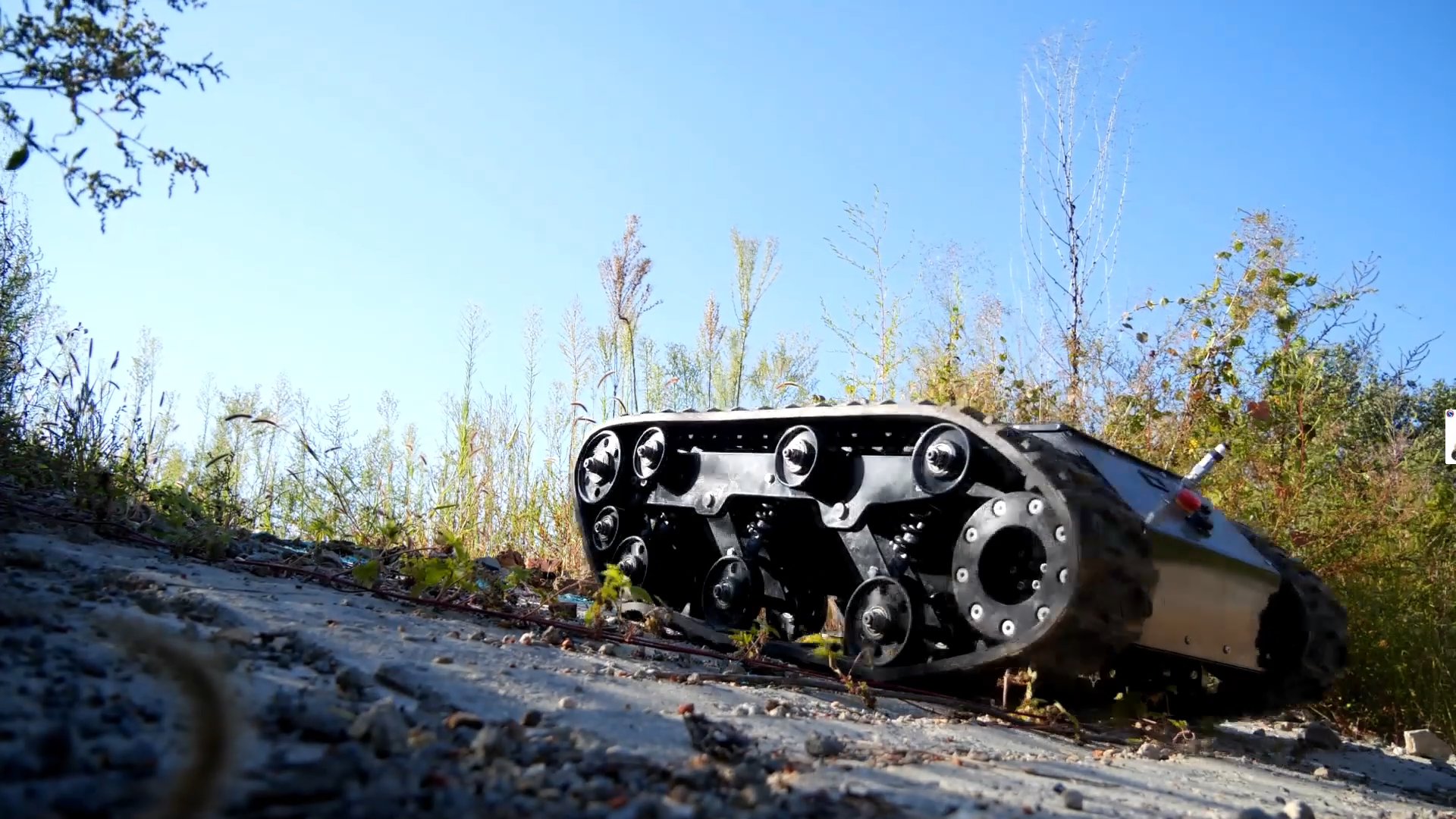
Tracked chassis are designed to withstand the toughest environments, making them ideal for professional robots that operate in harsh conditions. Whether it’s extreme heat, freezing temperatures, or exposure to dust and moisture, tracked robots are built to endure.
The durability of tracked robots comes from the high-quality materials used in their construction, such as reinforced steel and high-impact composites. These materials are resistant to wear and tear, ensuring that the robot can perform in demanding environments without frequent repairs or breakdowns.
One of the main advantages of tracked robots is their ability to minimize maintenance needs. With rugged designs, high-quality components, and modular parts that are easy to replace, tracked robots are engineered to endure long operational periods without requiring frequent servicing. This is particularly important for robots deployed in hazardous or remote locations, where downtime can be costly and dangerous.
Reliability is essential in high-stress situations such as military reconnaissance or firefighting operations. A malfunctioning robot could jeopardize the safety of human workers or compromise the success of the mission. With their robust construction and long-lasting components, tracked robots offer the reliability needed to operate in these critical environments.
Tracked chassis are built to last, ensuring that robots continue to perform over extended periods without a drop in quality. With long lifespans and minimal wear and tear, tracked robots can be deployed continuously in missions that require both precision and endurance. This long-term performance is key to maintaining consistent operational efficiency and reducing costs over time.
Power efficiency is a significant factor in the performance of tracked robots, especially in remote or field operations where charging options may be limited. Robot tank chassis are designed to optimize power usage, ensuring that robots can perform for long durations without depleting their energy supply too quickly. This is crucial for tasks like military surveillance, search-and-rescue missions, or environmental monitoring, where robots need to be active for extended periods.
The ability to manage power efficiently also helps to extend battery life, allowing robots to work longer without requiring recharging. Energy-efficient designs ensure that robots can complete their tasks without the need for frequent power interruptions, improving operational efficiency.
Many tracked robots are equipped with autonomous charging systems that allow them to recharge without human intervention. For example, robots can return to a docking station to charge between missions, ensuring they are ready for the next task without needing manual support.
Autonomous charging systems not only reduce downtime but also enhance the overall efficiency of tracked robots. These systems allow robots to continue performing in remote or isolated environments where human intervention is minimal.
One of the most powerful features of tracked robot chassis is their ability to navigate autonomously using advanced artificial intelligence (AI). Autonomous navigation allows tracked robots to perform tasks without constant human intervention, making them ideal for missions in environments that are difficult, dangerous, or impossible for humans to access. By relying on AI, these robots can adapt to dynamic terrain and obstacles in real time, improving the efficiency and safety of operations.
AI-powered systems allow tracked robots to make decisions based on data from sensors and cameras. For example, a robot tasked with exploring a collapsed building can use its AI system to map out the environment, avoid obstacles, and find safe pathways to reach trapped survivors. The integration of AI into tracked robots is enhancing their autonomy, making them more efficient and capable of performing tasks independently.
Autonomous navigation isn’t just about following pre-programmed paths—AI allows tracked robots to make real-time adjustments based on changing conditions. For example, if a robot encounters an obstacle or a sudden change in terrain, the system can instantly recalibrate its movements to continue the mission smoothly. This capability is essential in environments where the terrain is unpredictable, such as wildfire zones, military battlefields, or disaster sites.
Despite their autonomous capabilities, many tracked robots are still equipped with remote control features, allowing human operators to take control when needed. Remote control provides the flexibility for operators to intervene in critical situations or to monitor the robot’s progress in real-time. The ability to remotely control tracked robots is crucial for tasks such as bomb disposal, rescue operations, and military surveillance, where precision and human oversight are necessary.
Tracked chassis often come with wireless communication systems, enabling operators to control the robot from a safe distance. The use of intuitive interfaces, such as joysticks or touchscreens, allows for seamless remote operation, ensuring that the robot can perform complex tasks without human presence in dangerous locations.
The control systems of tracked robots are designed to be user-friendly, ensuring that operators can efficiently manage the robot even in high-pressure situations. Features like real-time video streaming, GPS tracking, and diagnostic information allow operators to make informed decisions while navigating the robot through complex environments. The smooth integration of control systems enhances both the operator’s experience and the robot’s performance.
Tracked robots rely on an array of sensors to enhance their navigation and operational capabilities. Sensors like LIDAR, thermal cameras, and infrared sensors provide real-time data about the robot’s surroundings, allowing it to detect obstacles, measure distance, and identify hazards. These sensors are critical for ensuring that robots can navigate autonomously and perform tasks such as mapping, surveillance, or inspection.
For example, in search-and-rescue operations, thermal cameras help tracked robots detect heat signatures of survivors, even through smoke or debris. Similarly, LIDAR sensors create 3D maps of the environment, helping the robot to visualize and navigate areas that may be hazardous or difficult to see.
With the help of these advanced sensors, tracked robots can gather and process environmental data in real-time, improving their situational awareness. This capability is particularly useful in environments where human presence is limited, such as in toxic areas, dangerous battlefields, or underwater exploration. The integration of sensors makes tracked robots more effective in performing their tasks, ensuring that they can carry out operations safely and accurately.
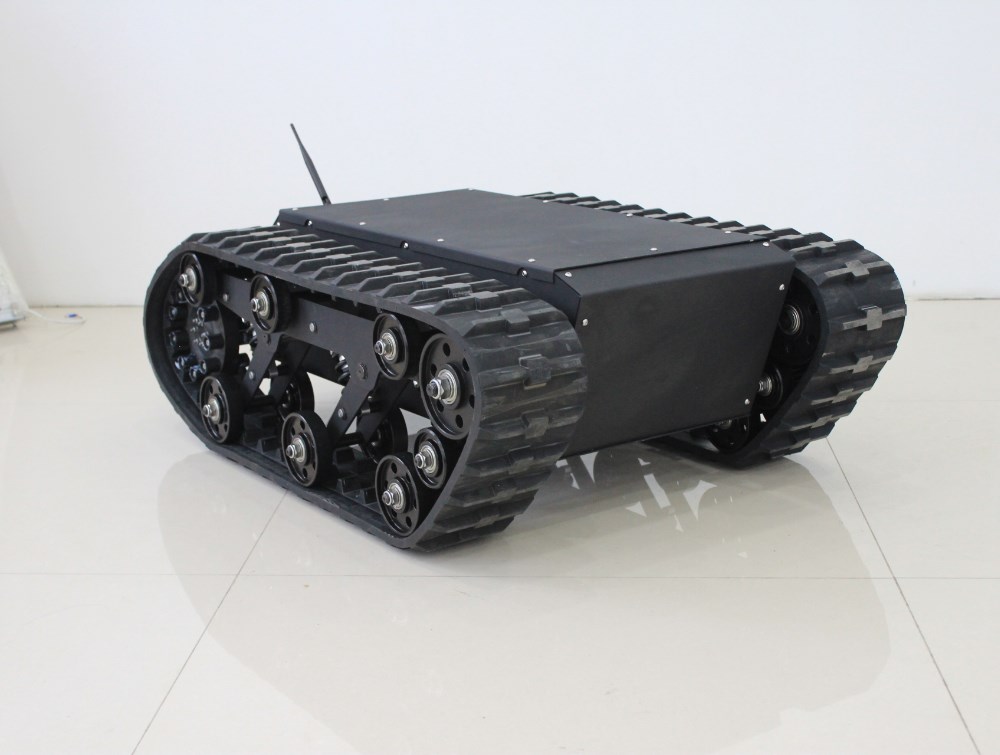
One of the primary reasons professional robots rely on tracked chassis technology is to reduce human exposure to hazardous environments. Whether it's a bomb disposal mission, firefighting operation, or military reconnaissance, robots equipped with tracked chassis can perform dangerous tasks while keeping human workers safe from harm.
Tracked robots are deployed in situations where humans would be at high risk, such as in collapsed buildings, toxic waste zones, or areas affected by natural disasters. By using tracked chassis, these robots can carry out missions in these hazardous locations, performing critical tasks like searching for survivors, detecting hazardous materials, or neutralizing threats.
Tracked robots are equipped with multiple safety features that help mitigate risk and ensure both the robot and its operators remain safe. For example, many tracked chassis include emergency stop systems, which immediately halt the robot's operations in case of malfunction or danger. These systems are essential for preventing accidents, particularly when the robot is navigating unpredictable or hazardous terrain.
In certain situations, operators may need to take control of the robot to avoid accidents or ensure the task is completed effectively. Many tracked robots are equipped with manual override options, allowing human operators to intervene in critical moments. This feature is especially useful when the robot encounters unexpected obstacles or challenges that require human judgment or intervention.
Tracked robots are designed to withstand harsh environmental conditions, making them ideal for use in high-risk applications. These robots are often equipped with weather-resistant casings, waterproof seals, and dustproof systems that protect them from the elements. Whether working in extreme heat, freezing temperatures, or exposure to toxic chemicals, the tracked chassis is built to ensure the robot continues to function reliably.
The protection provided by tracked robots ensures that they remain operational even in the most challenging environments. For example, robots used in firefighting operations need to be resistant to high temperatures, smoke, and water. Tracked chassis are designed with special heat-resistant materials and cooling systems to prevent overheating while maintaining their performance.
Tracked robots are heavily used in the military and defense sectors due to their ability to operate in high-risk environments. These robots are deployed for reconnaissance, bomb disposal, and surveillance, tasks that are often too dangerous for human soldiers. Tracked chassis provide the stability, mobility, and payload capacity needed to carry out these missions effectively.
In military applications, one of the most critical tasks for tracked robots is explosive ordnance disposal (EOD). Robots equipped with tracked chassis are able to navigate through hazardous environments, such as bomb-laden fields or conflict zones, to locate and disarm explosives. The stability and precision of tracked robots in these operations significantly reduce the risk to human soldiers, ensuring that dangerous tasks are completed safely.
Tracked robots are increasingly used in firefighting and search and rescue operations. Their ability to traverse unstable terrain, such as collapsed buildings, fire-affected areas, or rough landscapes, allows them to perform critical tasks that would be impossible for human firefighters to undertake safely.
In forest fires, tracked robots equipped with high-pressure water tanks, thermal sensors, and cameras are deployed to suppress flames and monitor fire progression. These robots can enter areas where human presence would be unsafe, ensuring that fires are controlled and that fire teams have real-time information for making decisions.
In search-and-rescue operations, tracked robots are deployed in situations such as collapsed buildings or natural disaster sites. The robots can traverse through debris, locate survivors, and provide video feeds or sensor data back to emergency response teams.
Tracked robots play a crucial role in environmental protection and exploration. These robots are used for pollution detection, environmental monitoring, and data collection in remote and hazardous environments, such as nuclear sites, oil spills, and deep-sea exploration. Tracked chassis provide the stability and durability needed to operate in these difficult conditions.
For example, in oil spill response, tracked robots equipped with environmental sensors can be deployed to monitor the spill’s spread and assess damage. These robots help to prevent further contamination and can provide data that is difficult or dangerous for humans to collect.
Tracked robots are also used in space exploration to collect soil and atmospheric data in areas like the moon or Mars. Their ability to navigate harsh, uncharted terrains while carrying scientific instruments is vital for advancing research and exploration in these extreme environments.
The field of robotics is continuously evolving, and tracked chassis technology is no exception. As industries increasingly rely on robots for complex tasks, there is a growing demand for innovation in robot tank chassis designs. Future advancements are likely to focus on increasing efficiency, enhancing autonomy, and improving the adaptability of tracked chassis systems.
One of the most promising areas of development is the integration of artificial intelligence (AI) and machine learning into tracked chassis systems. These technologies will allow robots to make more intelligent decisions based on environmental data and prior experiences. For example, AI can enable robots to autonomously identify the most efficient path through a complex terrain, adjust to changes in conditions, and optimize the robot's energy usage. The combination of AI and robotics will significantly increase the autonomy and decision-making capabilities of tracked robots.
Additionally, advancements in material science are expected to result in lighter yet more durable tracked chassis. New, high-strength, lightweight materials could reduce the weight of tracked robots while maintaining or even increasing their structural integrity. This will make robots more efficient in terms of energy consumption and help them operate for longer periods, especially in missions requiring extended uptime.
As the robotics industry progresses, the concept of collaborative robots or cobots is gaining traction. In multi-robot systems, tracked robots could work alongside other robots—such as drones, wheeled robots, or even human operators—collaborating to complete complex tasks more efficiently. For example, a tracked robot might perform the heavy lifting in a disaster zone, while an aerial drone surveys the area and provides real-time situational awareness. The ability of robots to work in tandem, each contributing its strengths, will greatly enhance mission success rates.
This shift toward collaborative robotics also includes advancements in swarm robotics, where multiple tracked robots communicate and coordinate with one another to achieve a common goal. This could be particularly useful in large-scale operations like environmental monitoring, agricultural surveys, or military missions, where the collective effort of many robots would vastly improve efficiency and speed.
Sustainability is becoming an increasingly important consideration in the design of tracked robots. As industries strive to reduce their environmental impact, tracked chassis will need to evolve to meet these expectations. Future tracked robot designs will likely incorporate more energy-efficient systems, rechargeable power sources, and recyclable materials.
For example, solar-powered or hybrid robots could be developed, allowing robots to recharge in the field, minimizing the need for external charging stations. The shift toward environmentally friendly materials will reduce the overall environmental footprint of tracked robots, making them a more sustainable solution for industries focused on reducing their impact on the planet.
Tracked chassis technology has become an essential component in the design and functionality of professional robots. These robust, adaptable, and reliable platforms are designed to navigate challenging terrains, carry heavy payloads, and operate in harsh environments. The primary reasons why tracked robots are so widely relied upon include their mobility, stability, payload capacity, and durability.
In industries like firefighting, military defense, environmental monitoring, and search and rescue, the ability of tracked robots to operate autonomously or under remote control allows them to complete complex and hazardous tasks that would otherwise be impossible or too dangerous for human workers. Furthermore, the advanced suspension systems, AI-powered navigation, and sensor integration present in tracked robots enhance their versatility and efficiency in real-world applications.
As the capabilities of robot tank chassis continue to evolve, so too does their role in industries that rely on professional robotics. Tracked robots are no longer a niche technology but have become a central element in critical operations across a variety of fields. With advancements in AI, collaborative robotics, and autonomous systems, tracked chassis will only become more efficient, versatile, and indispensable.
Looking forward, tracked chassis technology will continue to be a driving force in the growth of robotics, providing solutions to challenges that are often too dangerous or inaccessible for humans. Whether it’s supporting military missions, improving safety in hazardous environments, or aiding in the exploration of remote or dangerous areas, the future of tracked robots promises exciting advancements and an expanding range of applications.
At Guoxing Intelligent, we are at the forefront of this exciting evolution in robotics. Our high-performance tracked robot chassis are designed to meet the most demanding requirements in industries like firefighting, military, environmental protection, and search and rescue. With a strong focus on innovation, durability, and versatility, we continue to provide cutting-edge solutions that push the boundaries of what professional robots can achieve.
As tracked chassis technology continues to advance, we are committed to delivering products that help our clients tackle the toughest challenges with precision, efficiency, and safety. Whether you're looking to enhance your firefighting capabilities, conduct environmental monitoring, or explore the most extreme terrains, our tracked robots provide the reliability and performance you need to succeed.