
Views: 0 Author: Site Editor Publish Time: 2026-08-18 Origin: Site


Power grid and substation fires carry catastrophic consequences for energy infrastructure. These high-voltage environments risk toxic transformer oil infernos. They also threaten severe, widespread operational downtime across entire regions. Traditional human intervention falls dangerously short in these critical scenarios. First responders simply cannot safely enter active high-voltage zones during an emergency. Extreme radiant heat, toxic smoke, and sudden explosion risks make direct human entry lethal. You need a reliable technological buffer to protect both personnel and critical grid assets. This article provides a strict, criteria-based evaluation framework for decision-makers. Facility managers and procurement engineers will use it to vet potential suppliers thoroughly. You will learn exactly how to assess hardware, systemic integration, and vendor credibility. Our goal is to help you select a highly capable Firefighting Robot Manufacturer. Ultimately, this ensures your facilities remain protected by true utility-grade robotics.
Transformers store massive volumes of mineral oil. When a fault occurs, ruptures can ignite rapidly. This creates intense, localized infernos. Energized equipment nearby complicates any response. Water streams can conduct electricity back to human responders. Furthermore, cascading grid failures remain a constant threat. One burning transformer can melt adjacent busbars. It can quickly destroy overhead lines. You must treat substations as highly volatile ecosystems. Standard firefighting tactics simply do not apply here.
A successful deployment hinges on rapid, remote intervention. You measure success by containment speed. The primary goal involves the rapid cooling of surrounding assets. You must isolate the core fire. You must prevent thermal spread. Crucially, success means containing the event without human entry into the blast radius. We evaluate robotic performance based on these strict operational boundaries. A robot must suppress the blaze while keeping human operators securely behind protective barriers.
Standard municipal firefighting robots fail in utility environments. They lack specific defensive engineering. Utility-grade units bridge a massive hardware gap. They require specialized, spark-proof chassis designs. They utilize anti-static tracks to navigate sensitive zones safely. A true power grid firefighting robot demands extreme vertical reach. Many require high-pressure foam deployment capabilities exceeding a 15-meter vertical reach. Municipal units usually lack this targeted high-angle capacity. You must recognize these specific hardware gaps during vendor selection.
| Feature | Standard Municipal Robot | Utility-Grade Power Grid Robot |
|---|---|---|
| Chassis Design | Standard industrial metal | Spark-proof, anti-static tracks |
| Suppression Reach | Horizontal focus, low angle | 15-meter vertical high-pressure reach |
| EMI Shielding | Basic or none | Heavy shielding for 500kV environments |
High-voltage lines generate intense electromagnetic fields. These fields disrupt standard radio signals instantly. You need specialized electromagnetic interference (EMI) immunity. You also need radio frequency interference (RFI) protection. Manufacturers must build shielded communication protocols into their units. Without heavy shielding, robots suffer fatal signal loss. They become completely unresponsive near active transformers. Evaluating a vendor means scrutinizing their EMI testing logs carefully. You must verify their hardware operates safely under high-voltage lines.
Substation fires generate thick, toxic smoke quickly. Visibility drops to zero within minutes. Operators cannot rely solely on standard camera feeds. A capable robot requires advanced autonomous navigation. We look for integrated LiDAR arrays. We also demand thermal-guided pathing algorithms. The robot must navigate through debris-heavy substation layouts autonomously. It must avoid fallen cables and ruptured metal grating. This autonomy prevents the machine from getting stuck during critical intervention windows.
Robots must deliver massive suppression force. We assess required flow rates meticulously. High-volume monitors are absolutely non-negotiable. Nozzle articulation must allow precise targeting. The system must adapt to various agent types. It requires strict compatibility with Class C (electrical) fire suppressants. Standard water deployment often risks conductive feedback. The suppression system must handle specialized dry chemicals. It should also deploy advanced foam mixtures safely.
Substation fires emit staggering radiant heat. Robots need active self-cooling systems to survive. They typically utilize water-curtain defenses to protect internal electronics. You must check for strict IP ratings. Look specifically for IP67 or IP68 certifications. These ratings prove the chassis blocks corrosive dust. They also resist high-pressure water ingress. Continuous operational battery or fuel life remains critical. The unit must endure extended operations under extreme thermal stress.
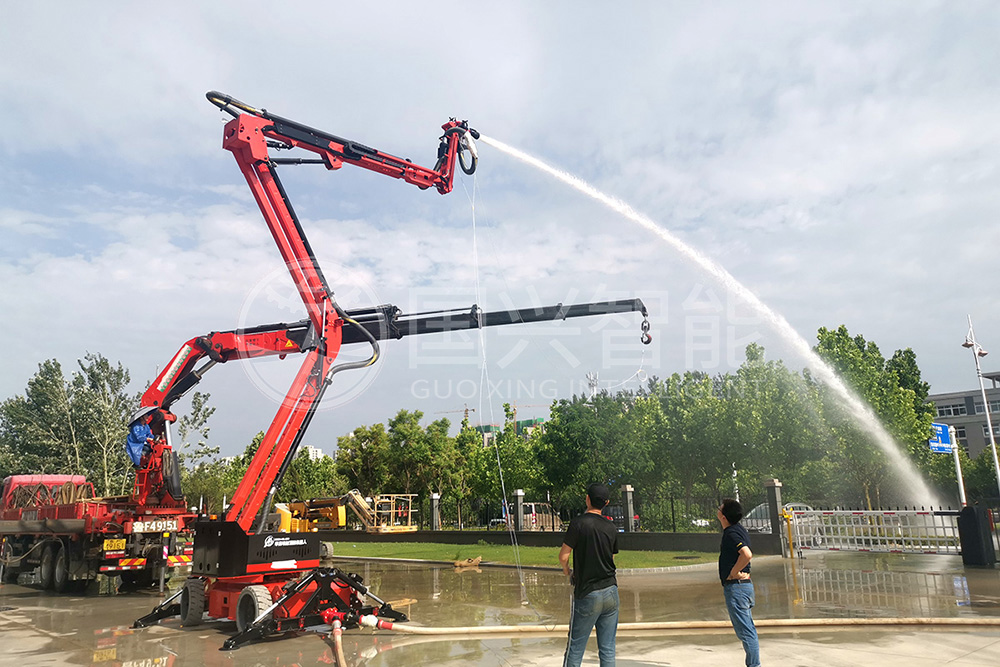
Promises mean nothing without field proof. Look for verifiable case studies. You want to see deployments involving national or regional grids. A reliable partner will showcase successful hardware deliveries. You should seek out case files akin to State Grid. European grid operator deployments also show credibility. These deployments prove the manufacturer understands massive scale. They demonstrate deep familiarity with complex utility procurement pipelines.
Avoid vendors selling isolated hardware. You need a system-level solution. We assess whether the manufacturer provides systemic integration. The robot must talk to your existing infrastructure. It should integrate seamlessly with facility thermal cameras. It must respond to automated SCADA alarm triggers directly. A seamless data handshake ensures much faster deployment times. The vendor must act as an integration partner.
Regulatory compliance defines baseline safety. Check for rigorous adherence to international standards. The manufacturer must supply CE and ISO certifications. More importantly, they need localized utility certifications. The electrical industry enforces strict safety codes everywhere. Your chosen hardware must pass these specific localized audits. Failing to verify certifications exposes your facility to immense liability. Ask for these documents upfront during the evaluation.
Robotics technology evolves rapidly. You want a vendor committed to continuous improvement. Evaluate their research and development pipeline closely. Look for published field data and rigorous stress-test results. The best manufacturers maintain active partnerships with major engineering institutions. This academic backing validates their engineering claims. It shows they invest heavily in solving tomorrow's complex thermal containment challenges.
Exaggerated marketing claims pose a severe risk. A trustworthy manufacturer provides highly standardized data. They publish easily reproducible metrics. You need clear numbers on towing capacity and winch limits. Payload metrics must reflect actual real-world testing environments. Demand transparency regarding battery degradation curves. We strongly advise comparing these precise metrics across multiple vendors. Do not accept vague performance promises.
Deploying heavy robotics requires facility upgrades. You cannot simply park these units in an empty shed. You must complete specific site preparations:
Facility audits must identify these necessary infrastructure modifications early. Planning these upgrades prevents major deployment delays later.
Wireless communication often fails during major fires. Thick smoke and electrical arcs severely disrupt signals. You must plan for network stability constraints carefully. We always discuss the risk of complete wireless failure. Facilities should mandate tethered fail-safes for their robotic units. Alternatively, you can set up local mesh network relays. These localized networks bypass damaged primary communication towers. Redundancy guarantees you maintain control during an incident.
Hardware is only as effective as its operator. Untrained personnel will hesitate during a crisis. Emphasize comprehensive, ongoing training. You must evaluate the manufacturer’s onboarding programs. Do they offer realistic simulator training? Do they conduct live-fire deployment drills? An elite vendor provides continuous, structured education. Your on-site personnel must feel totally confident commanding the unit. They need to operate efficiently under extreme duress.
Do not ignore the hidden realities of upkeep. Robotics demand strict maintenance schedules. You must address battery degradation over time. Hydraulic fluid replacement happens regularly. Check the manufacturer’s Service Level Agreement explicitly. You need guaranteed timelines for replacement parts. A broken robot sitting in a substation offers zero protection. Secure ironclad maintenance contracts before finalizing any purchase agreement.
Start by looking internally. You must audit your specific facility layouts. Measure your aisle widths precisely. Evaluate your terrain types carefully. Do you have gravel, concrete, or deep mud? These details dictate the required track types. Document your water supply connection points. Completing this needs assessment helps you eliminate incompatible vendors immediately. It clarifies your exact requirements before you contact anyone.
Your RFQ must demand more than just pricing. You need deep technical transparency. Ask vendors for the following specific data points:
This information reveals the actual reliability of the chassis. It also ensures you have rapid support access nearby.
Never buy a fleet blindly. Always structure a rigorous pilot test. We recommend designing a proof-of-concept test first. Run this test in a controlled, simulated high-voltage environment. Challenge the robot to navigate tight corners. Test the EMI shielding under heavy electrical load. Verify the suppression flow rates practically. A successful test ensures the unit performs as promised.
Selecting a trusted manufacturing partner represents a long-term infrastructure commitment. It is never just a simple, one-off hardware purchase. You are integrating a vital life-safety tool into your grid. We encourage all decision-makers to prioritize verifiable integration capabilities. You must value transparent maintenance contracts heavily. Do not let theoretical features distract you from core reliability. Ensure your chosen vendor proves their claims through localized testing. Finally, we recommend downloading a standardized vendor comparison checklist today. Alternatively, request a direct technical consultation to refine your procurement strategy immediately.
A: Lead times vary based on customization. Standard utility-grade units usually require 12 to 16 weeks for manufacturing. Complex systemic integration, factory testing, and delivery can extend this to 6 months. Always factor these timelines into your facility upgrade schedules early.
A: Yes, provided it utilizes proper EMI/RFI shielding. Manufacturers engineer specific stand-off distances. They equip robots with non-conductive suppression agents and ground-fault isolated chassis. However, operators must strictly respect the tested shielding limits verified by the vendor.
A: Top manufacturers utilize mobile service units. They deploy technicians directly to remote sites. The robots also feature modular part replacements. This allows local staff to swap components quickly. Furthermore, advanced units offer remote diagnostic capabilities to predict failures before they happen.
A: With strict preventative maintenance, standby lifespans exceed 10 years. Facilities must employ continuous charging infrastructure. Intelligent battery management systems prevent cell degradation. You must execute routine cycling of hydraulic fluids and run regular diagnostic checks to ensure operational readiness.