
Views: 0 Author: Site Editor Publish Time: 2026-07-23 Origin: Site


A tank may weigh many tons, yet it must cross ground where cars fail. Wheels can sink, spin, or become trapped. Tank treads spread weight and maintain grip. In this article, you will learn how tracks improve mobility, steering, stability, and obstacle crossing.
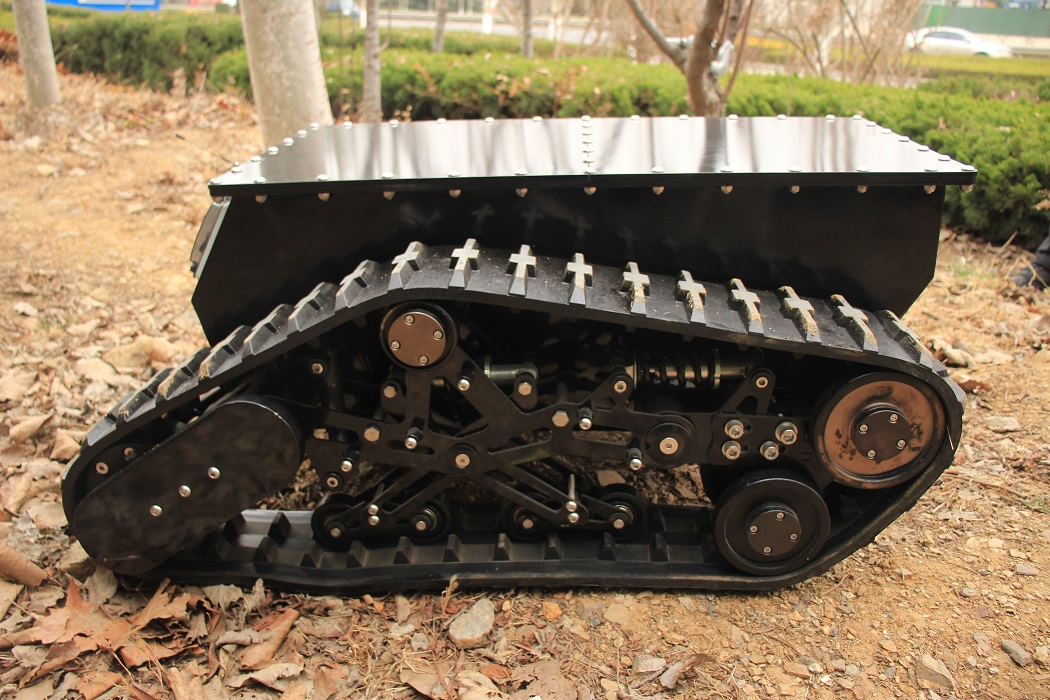
● Tank treads spread vehicle weight across a long contact area. This lowers ground pressure and reduces sinking on mud, sand, snow, or soft soil.
● Their continuous surface provides more usable grip than several small tire patches.
● Tracks help heavy vehicles cross rubble, trenches, raised steps, slopes, and broken ground.
● Different track speeds allow tight turns. Opposite directions can rotate a vehicle almost within its own length.
● Tracks and suspension must work together. Tracks provide contact, while suspension controls shock and keeps the platform stable.
● Wheels remain better for fast and efficient road travel. Tracks are chosen when load support and rough-terrain mobility matter more.
● Tank treads need regular tension, alignment, cleaning, and wear checks. Their mobility advantages bring extra friction, energy use, and maintenance.
A tank places enormous weight on the ground. Wheels would concentrate it on several small tire patches. Tank treads form two long footprints, reducing pressure on each part of the surface.
Lower ground pressure reduces ruts and rapid sinking. Heavy tracked robot chassis use this principle on soft ground.
A wheel touches the ground across a small patch. A track keeps a much longer section engaged. Tread patterns or grousers push against soil, gravel, snow, and loose material.
Grip still depends on design, weight, surface conditions, and torque. Yet the longer footprint offers more useful contact. Crawler grousers also resist slipping.
Broken terrain rarely supports every wheel equally. One wheel may rise over a rock while another enters a hole. A continuous track links several road wheels along one moving belt.
This layout spreads support across changing heights. Other track sections may keep pushing when one loses contact, improving movement across rubble and ruts.
The front track reaches an obstacle before the main hull. As it moves, it pulls the vehicle upward and forward. This helps tanks pass logs, curbs, debris, and raised edges.
A long track can bridge limited gaps while other sections support the vehicle. Crawler chassis use this geometry for stairs, slopes, and obstacles.
Tank treads do not steer like front car wheels. The vehicle turns by changing track speeds. Slowing the left track turns the vehicle left, while slowing the right side turns it right.
Driving one track forward and the other backward creates a pivot turn. This helps in narrow streets, industrial sites, forests, and blocked routes.
A tank carries armor, fuel, weapons, crew, and control systems. Its undercarriage must support this mass across unstable ground. Long tracks create a broad and stable base.
Crawler platforms use the same approach for robotic arms, rescue tools, and firefighting equipment. Heavy-load designs combine strong frames, wide tracks, and vibration absorbers.
Tip: Define payload, slope, obstacle height, surface type, and turning space before choosing a tracked platform.
A tracked undercarriage includes drive sprockets, idlers, road wheels, tracks, and suspension parts. Road wheels support the vehicle. Idlers guide the tracks and help maintain tension. Drive sprockets transfer power into track movement.
Correct alignment and tension limit wear and derailment risk. Industrial tracked chassis often include adjustable tension devices.
The engine sends power through the transmission to the drive sprockets. Their teeth engage the tracks and pull them around the undercarriage. The lower track sections push backward against the ground.
The ground pushes the vehicle forward while each track circulates beneath the hull.
Tracks stay parallel to the hull, so they cannot angle sideways. Steering depends on speed differences between the left and right tracks. A speed difference controls turn radius. Reversing one side creates a pivot turn but increases lateral friction and torque demand.
Note: Frequent pivot turns on high-grip surfaces increase energy use, track wear, and surface damage.
Wheels roll efficiently, but their smaller contact patches apply more pressure to weak ground. A heavy wheeled vehicle may sink before its tires find firm support.
Tracks spread the load over a larger area, improving flotation without preventing every case of sinking.
A wheeled vehicle may lose traction when tires lift or enter loose material. A track can keep pushing through its remaining contact sections. Its longer base also supports the vehicle across holes and edges.
Advanced wheeled systems still work off-road. The best design depends on terrain, payload, speed, and mission.
Wheels usually provide higher road speed, lower noise, simpler maintenance, and better efficiency. Tracks trade these benefits for off-road support.
Operating Need | Tank Treads | Wheels |
Soft soil | Lower pressure and better flotation | Greater sinking risk |
Broken ground | Long contact area maintains support | Tires may lose contact |
Tight turning | Pivot steering is possible | Usually needs more space |
Paved travel | More friction and wear | Faster and more efficient |
Maintenance | More wear components | Usually simpler |
Tip: Compare tracks and wheels using the full duty cycle, not only the hardest terrain.
Mud causes sinking and slipping. Wide tracks lower pressure while tread patterns push against soil. Deep mud can still stop a grounded vehicle.
Sand and snow move under heavy loads. Narrow wheels can cut downward and build resistance. Tank treads spread the load and create a longer pushing surface.
Track width must match vehicle weight. Poor tread design may move loose material without enough forward grip.
Tracks can contact several surface levels at once. Suspension absorbs impacts and helps keep the track engaged while climbing rocks.
Tracked robot platforms use balanced or independent suspension layouts and multiple absorbers for these conditions.
Climbing requires grip and stable weight transfer. On steps, the front track pulls onto the raised surface. Across a narrow trench, the long track may bridge the opening.
Commercial crawler chassis apply these principles to slopes, stairs, and obstacle crossing.
Tank treads create the moving contact surface. Suspension controls how road wheels react to terrain. Without effective suspension, a track may bounce, lose grip, or transfer severe shocks into the hull.
Track length, wheel spacing, tension, weight, and suspension travel must work together.
Suspension absorbs repeated impacts before they reach people or equipment. This helps protect electronics, sensors, batteries, and mounted tools.
Rough-terrain crawler platforms often use balanced suspension and several vibration absorbers to improve load control.
A track creates useful traction only while pressed against the surface. Suspension lets road wheels follow terrain changes, keeping more track engaged during climbing, braking, and turning.
Worn suspension, poor tension, or misalignment reduces this advantage. Regular inspection supports predictable movement.
Heavy tanks need strong track structures for high weight, impact, torque, and debris. Individual metal links also allow crews to replace damaged sections.
Steel tracks are heavy, noisy, and harsh on paved surfaces.
Rubber tracks can reduce noise, vibration, and pavement damage. They are common on compact crawler machines and robotic platforms. Reinforcement can improve strength and limit stretching.
The reviewed chassis combine reinforced rubber tracks, suspension, and tension adjustment for demanding mobile equipment.
Wider tracks spread weight across more ground. They also add mass, turning resistance, and transport width. Deep tread may grip soil well but create vibration on hard floors.
Designers balance payload, surface, speed, slope, turning radius, and maintenance access. The correct track matches the operating environment.
Tracks contain many wear points. Sprockets, idlers, wheels, bearings, and tensioners need inspection. Dirt and stones can accelerate wear.
A loose track may derail. An overtight track raises resistance and component load. Maintenance must include cleaning, alignment, and tension checks.
Tracked vehicles turn by dragging their treads sideways. This creates more resistance than a rolling wheel turn. Engines or motors must provide extra torque.
Operators should use wider turns on dry concrete when space allows.
Tracks carry more rotating mass and friction. They usually use more energy than wheels on smooth roads.
This trade-off is acceptable when weak or broken terrain defines the mission.
Heavy tracks can mark asphalt, concrete, tiles, and coated floors. Skid steering increases damage because the tread scrapes sideways. Rubber materials reduce the effect but cannot remove all friction.
Review surface type, vehicle weight, track material, and turning method before indoor use.
Tanks use treads to spread weight, gain traction, cross obstacles, and turn within tight spaces. Tracks work best alongside strong suspension and correct tension. Guoxing provides customizable tracked robot chassis offering stable movement, heavy-load support, vibration control, and terrain adaptability. Its engineering service helps users match platform design to real operating needs.
A: Continuous tracks that support and move heavy vehicles.
A: They spread weight and improve grip on rough ground.
A: They change left and right track speeds.
A: Maintenance costs rise because many parts wear.
A: Tracks suit rough terrain; wheels suit paved travel.
A: Loose tension, misalignment, debris, or worn parts.