
The Pros And Cons Of Firefighting Robots
Firefighting robots are becoming an increasingly important part of modern emergency response strategies, offering a new way to address the challenges of fighting fires in dangerous environments. These machines are designed to assist or even take on tasks that would otherwise put human lives at risk, such as entering burning buildings, handling hazardous materials, or navigating areas with extreme heat and toxic smoke. As the technology behind robotics continues to advance, the role of firefighting robots is expanding rapidly, prompting discussions about their benefits, limitations, and the potential impact on the firefighting profession.
More >>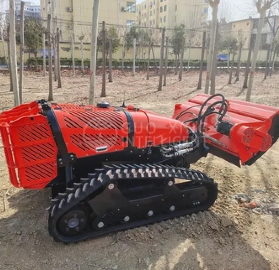
What Are The Different Types of Firefighting Robots?
Firefighting robots have become one of the most innovative advancements in modern emergency response, offering safer and more efficient ways to combat dangerous fires. These machines are designed to operate in environments that would be life-threatening for human firefighters, handling high temperatures, toxic gases, and structural hazards without risking human lives.
More >>
Can AI Replace Firefighters?
Firefighting is one of the most dangerous and demanding professions, requiring courage, quick decision-making, and teamwork under extreme pressure. The emergence of advanced technologies such as artificial intelligence (AI) and firefighting robots has sparked discussions about whether machines could one day take over the role of human firefighters entirely. These innovations are already making a significant impact in detecting fires faster, improving safety, and enhancing firefighting efficiency.
More >>
Robot Firefighters in The Defense of Human Values
Firefighting robots are becoming an increasingly important ally in protecting human lives and property from the destructive force of fire. These advanced machines combine cutting-edge engineering with artificial intelligence to handle dangerous firefighting tasks that put human firefighters at risk. They can enter burning buildings, navigate hazardous industrial zones, and operate in environments filled with toxic smoke—places where sending a human would mean certain danger.
More >>
Firefighting Robot: Technical Composition, Performance Advantages, And Its Role in Modern Firefighting
As fire disasters grow in complexity and risk, traditional firefighting methods increasingly face challenges in terms of safety, speed, and effectiveness. Enter the firefighting robot—a technological breakthrough designed to operate in environments too dangerous or inaccessible for human firefighters.
More >>
Firefighting Robot in Action: Case Studies, Deployment Strategies, And Human-Robot Collaboration for Safer Firefighting
Firefighting has always been one of the most dangerous occupations in the world. In high-risk scenarios involving toxic smoke, collapsing structures, explosions, or limited visibility, firefighters put their lives on the line.
More >>