
Views: 0 Author: Site Editor Publish Time: 2026-02-04 Origin: Site


Tank treads are essential for military vehicles, enabling them to navigate difficult terrains. But do these treads require greasing? Lubrication plays a significant role in maintaining vehicle functionality. While the treads themselves don't need greasing, the internal components require it for optimal performance. In this article, we will explore why greasing is vital for tank components and the best maintenance practices.
Grease is essential for the internal components of tank treads, including bearings, pivots, and bushings. These parts experience significant wear under the heavy pressure exerted during operation, particularly in rough terrain. By applying grease to these critical areas, friction is reduced, preventing excessive wear and helping to maintain the efficiency of the track system. Without proper lubrication, metal components would grind against each other, accelerating damage and potentially leading to costly repairs. Regular greasing ensures that these internal components continue to function smoothly, extending the overall lifespan of the vehicle.
| Component | Role | Lubrication Requirements | Consequences of Neglect | Recommended Grease Type |
|---|---|---|---|---|
| Bearings | Support the weight of the tank and facilitate smooth movement of the tracks. | Regular lubrication is required for optimal performance. | Excessive wear, seizing, and failure of the track system. | Extreme Pressure (EP) grease for high-load capacity. |
| Pivots | Connect various parts of the track system, enabling movement and flexibility. | Apply grease periodically to reduce friction at pivot points. | Premature wear and joint failure. | High-quality lithium-based grease. |
| Bushings | Ensure smooth rotation of the track links. | Grease at intervals, especially under heavy use. | Increased friction, wear, and noise. | Synthetic greases with high temperature resistance. |
Lubricating the internal components of tank treads not only prevents wear but also enhances the overall mobility of the vehicle. By reducing friction, grease ensures that the track system can move freely over various surfaces, from rocky terrain to deep mud. This increased mobility is vital for military operations, where tanks need to navigate unpredictable environments. Moreover, proper lubrication helps to prevent rust and debris buildup, which can hinder the movement of the tracks and lead to mechanical failure. In the long term, consistent greasing contributes to the longevity of the tank by reducing the likelihood of costly breakdowns and downtime.
Greasing the moving parts of tank treads plays a crucial role in preventing seizing, a condition where the components become stuck due to friction or debris buildup. Seizing can occur in the track rollers, sprockets, and other vital components under extreme stress. Without proper lubrication, these components may freeze up, rendering the tank immobile and requiring costly repairs. By applying grease, tank operators ensure that all moving parts are well-lubricated, reducing the risk of seizing and maintaining the vehicle's ability to maneuver in challenging conditions. This is especially important during long operations in harsh environments where maintaining functionality is critical.
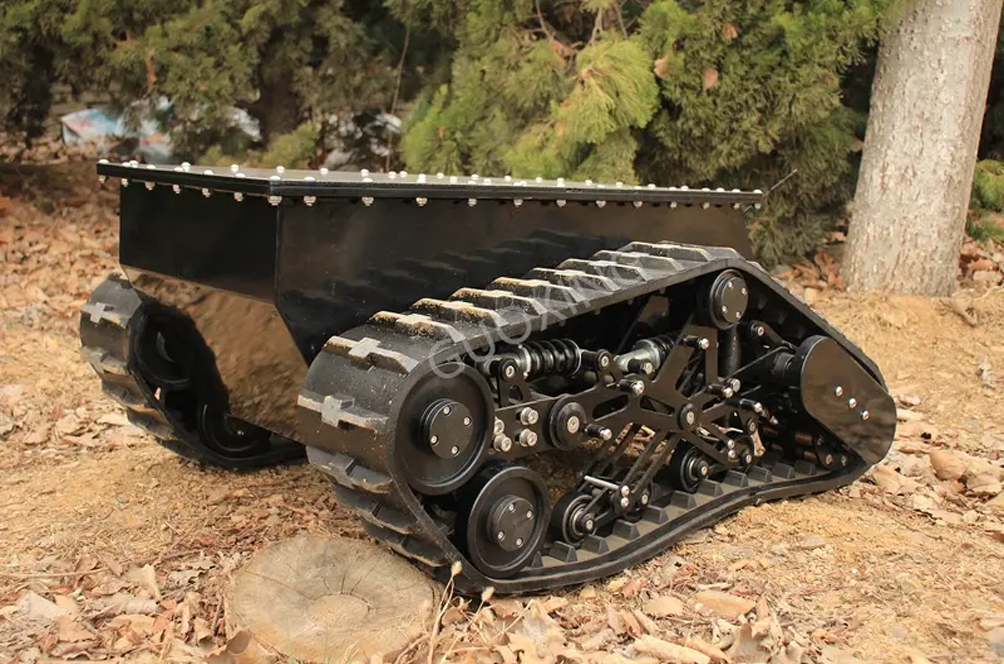
While it may seem intuitive to grease tank treads directly, doing so can actually cause more harm than good. When grease mixes with dirt, sand, and other debris that accumulate on the tracks, it forms an abrasive paste. This paste accelerates the wear and tear of the track links, pins, and bushings, leading to faster deterioration. The grime and grit that accumulate on the treads act like sandpaper, wearing down the metal surfaces and reducing the efficiency of the track system. Therefore, it’s crucial to avoid greasing the treads themselves and focus lubrication efforts on internal components where it can provide more significant benefits.
Not all tank treads are created equal, and the maintenance requirements vary depending on the type of track system. Dry pin tracks, often found on older or Eastern tanks, are designed to operate without lubrication. Greasing these tracks would only cause the pins to slip, leading to potential failure. On the other hand, modern live tracks, commonly used in Western tanks, have rubber bushings that allow for flexibility and movement without the need for lubrication at the link level. These tracks are designed to handle the stresses of tank operation without relying on grease, making regular lubrication unnecessary for the links themselves.
The key to tank tread maintenance lies in greasing the components that support the track system, rather than the tracks themselves. Important areas that require lubrication include the road wheels, idler wheels, track rollers, and sprockets. These components bear the weight of the tank and experience significant wear and tear during operation. Regular greasing of these parts ensures smooth operation and prevents mechanical failure, which could compromise the vehicle's mobility. It’s vital to focus on these internal components to keep the entire system functioning optimally.
Idler wheels and road wheels are two of the most critical components in the tank’s track system. These wheels support the weight of the vehicle and help guide the movement of the tracks. To ensure they continue to function smoothly, the bearings within these wheels must be greased regularly. Neglecting to grease these components can lead to rust, friction, and potential failure of the wheels. Regular lubrication keeps the bearings in good condition, preventing them from seizing and ensuring the tank can maintain its mobility.
Track rollers and sprockets are integral to the tank’s drive system. These parts are responsible for guiding and moving the tracks, and they must be lubricated to prevent wear and friction. Greasing the track rollers helps maintain smooth rotation and reduces the risk of damage from the harsh conditions that tanks often operate in. Similarly, the drive sprockets, which connect the tracks to the tank’s drive system, require regular lubrication to ensure proper functioning. By greasing these critical components, tank operators can extend the life of the track system and avoid costly breakdowns.
Track tension is crucial for ensuring that the tank’s tracks remain securely in place during operation. On many tanks, grease is used to adjust track tension through a hydraulic cylinder that pushes the idler wheel forward. This adjustment prevents the tracks from slipping off during maneuvers and helps maintain optimal performance. Regular greasing of the tensioners ensures that the tracks are correctly tensioned, reducing the likelihood of track failure and ensuring smooth operation in challenging environments.
The process of greasing tank components involves several key steps to ensure proper lubrication. First, technicians clean the grease fittings (zerk fittings) to remove any old grease, dirt, and debris. Then, fresh grease is pumped into the fittings until the old grease is fully purged. This ensures that no contaminants remain that could cause damage to the components. The technician then applies the appropriate amount of grease to each component, taking care to avoid over-greasing, which can lead to buildup. The greasing process should be performed regularly to maintain the tank’s performance.
Different types of grease are necessary for the varying temperatures and conditions that tanks face. The right grease ensures the longevity of components under extreme pressure, high heat, and challenging terrain.
| Grease Type | Application | Temperature Range | Pressure Tolerance | Best For |
|---|---|---|---|---|
| Lithium-based Grease | General use in bearings, pivots, and bushings. | -20°C to 150°C | Moderate pressure | Standard conditions and all-around use. |
| Polyurea-based Grease | Heavy-duty, extreme pressure components like track rollers and sprockets. | -30°C to 180°C | High pressure | Harsh military environments with heavy loads. |
| Synthetic Grease | Used in extreme cold or heat conditions. | -50°C to 200°C | Very high pressure | Severe conditions like deep water or sand. |
Tip: Choose the appropriate grease based on environmental conditions to maintain optimal component performance and avoid premature wear.
Greasing intervals depend on the conditions in which the tank operates. Under normal conditions, tank components should be greased every 50 operating hours. However, in extreme environments such as deep water, mud, or fine dust, greasing may need to be performed daily at the end of each operational day. This helps flush out contaminants and ensures that the grease remains effective in protecting the components. Regular greasing is essential for maintaining the mobility and functionality of the tank, preventing breakdowns and ensuring the vehicle’s readiness for operations.
Regular cleaning of tank treads is vital to maintain operational efficiency. Scientific research shows that when contaminants like mud, sand, and debris accumulate on tracks, they can accelerate wear on moving components by increasing friction and causing metal fatigue. Using high-pressure washing or air blowing effectively removes these materials before they cause damage. Additionally, ensuring that debris does not obstruct the track system helps maintain smooth movement and optimal performance, preventing unnecessary strain on the engine and other systems. Regular cleaning can extend the lifespan of the track components and reduce maintenance costs.
Effective inspections involve not just visual checks but also using diagnostic tools to assess wear levels on critical components. For example, measuring the track tension with a tension gauge can help ensure the tracks are operating within optimal parameters. A study by the Society of Automotive Engineers emphasizes the importance of daily inspections to detect early signs of wear before they lead to system failure. By identifying minor issues such as loose bolts, worn-out parts, or minor cracks in track links, operators can address problems early and prevent costly repairs or unexpected downtime, improving overall vehicle reliability.
In extreme conditions like deep mud, water, or snow, greasing plays a crucial role in ensuring that the tank’s mobility is not compromised. Research on lubrication in harsh environments shows that grease not only reduces friction but also forms a protective barrier against moisture, which can cause corrosion. The daily application of grease in these environments prevents the accumulation of dirt and water, which could freeze or lead to rusting, potentially causing mechanical failure. In addition, special greases designed for low temperatures or high humidity can help preserve the tank’s components, ensuring consistent performance despite challenging conditions.
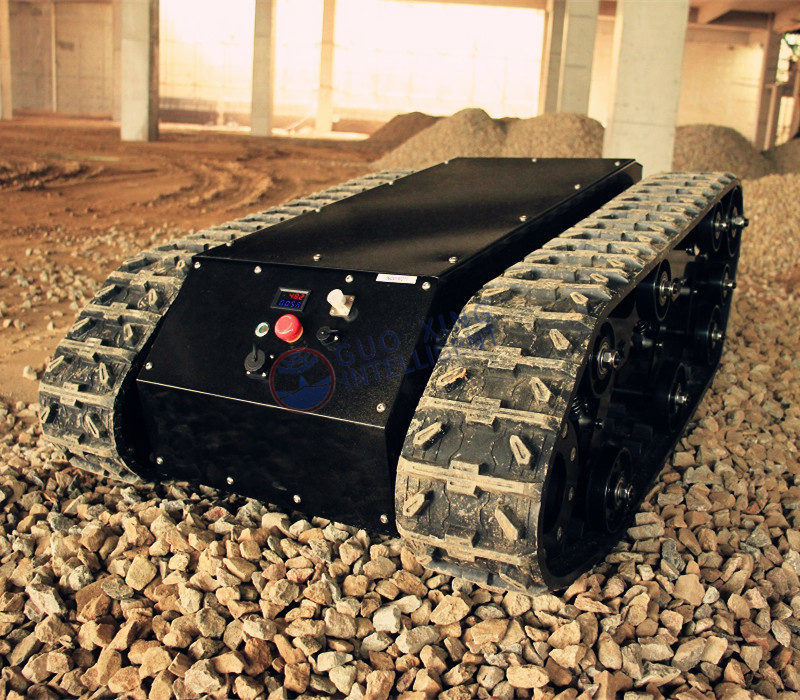
Neglecting to grease the internal components of tank treads can lead to severe mechanical failures, causing the tank to lose mobility. Without proper lubrication, critical components such as bearings, rollers, and sprockets may seize, leading to complete track failure. The lack of lubrication not only increases the risk of expensive repairs but can also result in extended downtime, affecting the vehicle's normal operation. Regular greasing is essential to ensure smooth operation in various environments and minimize unnecessary maintenance costs.
| Component | Risk Without Grease | Lubrication Requirements | Consequences of Neglecting Lubrication | Technical Specifications and Maintenance Requirements |
|---|---|---|---|---|
| Bearings | Bearings are prone to overheating and seizing under heavy load due to friction. | Regular greasing with extreme pressure lubricants. | Excessive wear, seizing, and track system failure. | Inspect every 50 operational hours, use lubricants suitable for high load. |
| Track Rollers | Increased friction can cause rollers to fail, affecting track function. | Grease all roller bearings and joints. | Rollers seizing, leading to track failure. | Lubricate every 50 operational hours, increase frequency in extreme environments. |
| Drive Sprockets | Seizing of drive sprockets can cause track breaks or failure to move. | Apply grease to internal gears and bearings of the sprockets. | Track slippage or system failure, reduced mobility. | Grease every 50 operational hours, especially in wet conditions. |
| Track Tensioners | Failure to adjust tension can cause tracks to fall off. | Apply grease to all lubrication points of the tensioning system. | Tracks loosening, vehicle unable to operate. | Check and grease every 24 hours of operation, use water-resistant grease. |
Tip: Regular maintenance and lubrication not only reduce component wear but also extend the lifespan of the track system, preventing frequent repairs and replacements, and lowering long-term operating costs.
Regular greasing not only prevents wear and tear but also plays a critical role in maintaining the efficiency and reliability of a tank's mechanical systems. Scientific studies on friction and lubrication emphasize that even the best components suffer from gradual wear due to friction, which increases the risk of breakdowns and system failures over time. By applying high-quality grease, tanks benefit from reduced friction between moving parts, which in turn minimizes heat generation and prevents metal fatigue. Additionally, lubrication helps prevent the accumulation of dirt and moisture, which can cause corrosion, thereby extending the operational life of critical components like bearings, sprockets, and rollers.
While regular greasing requires some time and effort, it is one of the most cost-effective maintenance practices for tanks. By extending the lifespan of expensive components like road wheels, track rollers, and sprockets, operators can avoid costly repairs and replacements. Moreover, maintaining proper lubrication reduces the risk of major mechanical failures, which could result in extended downtime and expensive emergency repairs. Regular greasing helps ensure that the tank remains operational and ready for use, providing long-term cost savings.
In conclusion, while tank treads themselves do not require direct greasing, maintaining the lubrication of key internal components such as road wheels, idler wheels, and sprockets is essential for the longevity and functionality of the vehicle. Regular greasing, along with proper cleaning and inspection, ensures smooth movement, prevents mechanical failure, and maximizes the tank's lifespan, especially in harsh environments. Shandong Guoxing Intelligent Technology Co., Ltd. provides high-quality greasing solutions, offering advanced lubricants that ensure optimal performance and cost-effective maintenance for military and industrial equipment, helping to reduce wear and prolong the service life of critical components.
A: Tank treads themselves typically do not require greasing. However, the internal components such as road wheels, idler wheels, and sprockets need regular lubrication to ensure smooth operation and prevent wear.
A: Greasing tank treads can create an abrasive paste when mixed with dirt and debris. This accelerates wear, which is why the focus is on greasing internal components rather than the treads themselves.
A: The internal components of tank treads, like rollers and sprockets, should be greased every 50 operational hours or more frequently in extreme conditions such as mud or water.
A: Regular greasing of components like bearings and rollers reduces friction, prevents wear, and enhances mobility, ensuring that the tank operates smoothly and efficiently over various terrains.
A: Yes, neglecting to grease the internal components can lead to seizing of parts like bearings and sprockets, causing the tracks to malfunction and resulting in costly repairs or extended downtime.