


Tank treads are essential in industries like construction, mining, and agriculture. But are they as durable as they seem? While these heavy-duty components are often considered robust, questions about their true strength persist. In this article, we will explore the strengths and vulnerabilities of tank treads. You'll gain insights into whether they really are weak, particularly in the industries that rely on them.
Tank treads are engineered using high-strength materials such as steel, rubber, and advanced composites to maximize durability. Steel links provide strength and rigidity, while rubber pads offer traction and noise reduction. This combination allows tank treads to endure harsh conditions and carry heavy loads over extended periods. The use of these materials ensures that tank treads remain operational under conditions where other forms of transportation might fail. The following table outlines the specific properties of commonly used materials in tank treads, including strength, durability, and corrosion resistance, helping users understand how these materials impact tread performance.
| Material Type | Key Characteristics | Advantages | Disadvantages | Application Areas |
|---|---|---|---|---|
| High-Strength Steel | High strength, wear-resistant, heat-resistant | Excellent load-bearing capacity and durability | Heavier, higher cost | Heavy equipment, mining vehicles, military |
| Rubber | Elastic, wear-resistant, shock-absorbing | Provides better grip and comfort | Shorter lifespan, potential aging issues | Agriculture, construction vehicles, urban transportation |
| Composite Materials | Lightweight, high strength, corrosion-resistant | Lighter, suitable for high-speed and lightweight equipment | Expensive, complex manufacturing process | High-end applications, industrial machinery, aerospace |
When it comes to wear resistance, tank treads outshine traditional rubber tires in many industrial environments. Rubber tires are vulnerable to punctures, wear, and degradation over time, especially on rough or abrasive surfaces. Tank treads, on the other hand, are designed to withstand the intense friction and stress that come with navigating challenging terrains, such as rocky or muddy environments. This makes tank treads an excellent choice for industries like mining and construction, where heavy equipment faces constant exposure to tough surfaces.
One of the main reasons tank treads are considered durable is their ability to distribute the vehicle’s weight evenly. This broad weight distribution prevents vehicles from sinking into soft ground or mud, a problem that wheeled vehicles often face. Whether in snow, sand, or on rocky terrains, tank treads provide the necessary stability and traction to keep the vehicle moving, offering superior performance on uneven surfaces where traditional wheels may falter.
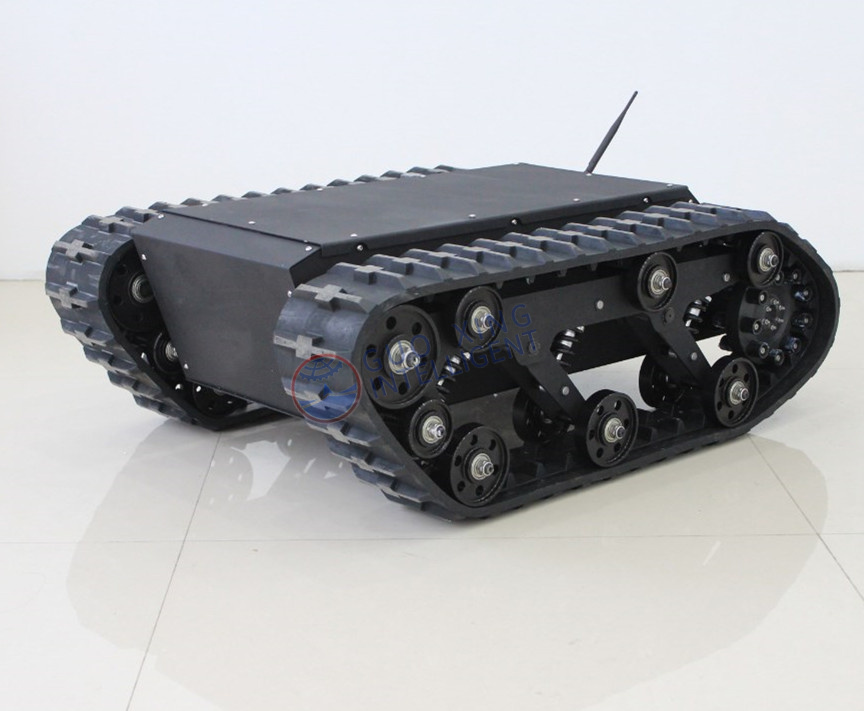
While tank treads are highly durable, they do require significant maintenance. Over time, the metal links, pads, and connectors experience wear, especially in industries where they are subjected to harsh environments like construction sites or mining operations. Regular inspection and replacement of worn components are essential to keep treads functioning effectively. This maintenance, although necessary, can add to operational costs, particularly in industries where downtime is costly.
Tank treads, though built for rugged environments, are susceptible to getting caught in debris such as small rocks or tree branches. This debris can cause the tread to jam or break, affecting mobility. In industrial settings where equipment frequently navigates rough, unmaintained terrain, the risk of debris impacting the performance of tank treads is a notable vulnerability. Regular clearing of pathways and maintaining a clean working environment can help mitigate this issue.
One of the drawbacks of tank treads, especially in comparison to wheels, is their slower speed. While tank treads excel in off-road situations, they are generally less efficient on smooth, paved surfaces. For example, in industries where speed is critical, such as in certain logistics or delivery operations, tank treads may not be the optimal choice. Their performance is maximized in environments where other transportation methods would struggle, but they are less efficient in applications requiring quick movement on roads.
Tank treads excel in environments where traction is critical. Their design ensures that a large surface area is in constant contact with the ground, providing exceptional grip on uneven or slippery surfaces. This is especially advantageous in industries like mining, where vehicles must navigate steep, loose, or rocky terrains. The added stability from tank treads makes them an indispensable tool for tasks requiring movement across rugged landscapes.
The wide surface design of tank treads helps evenly distribute weight, preventing vehicles from sinking into soft ground. The following table outlines the load distribution abilities of different tread designs and how they improve vehicle stability on soft ground, snow, and other conditions.
| Tread Design Type | Surface Contact Area | Terrain Adaptability | Load Distribution Ability | Suitable Equipment |
|---|---|---|---|---|
| Traditional Steel Treads | Medium | Rough, muddy, sandy terrain | High | Heavy machinery, mining vehicles, tanks |
| Rubber Treads | Small | Urban roads, agricultural fields | Medium | Industrial vehicles, farming equipment |
| Composite Treads | Large | Snow, wetland, soft ground | High | High-end machinery, high-speed equipment |
Tip: When selecting treads, consider the ground conditions and vehicle weight to optimize stability and efficiency, reducing the risk of accidents.
The durability of tank treads is evident in their ability to adapt to diverse, harsh working environments. In industries such as construction, tank treads provide stability and mobility over various surfaces, from uneven ground to muddy or snowy conditions. Their robust design allows for consistent performance in challenging environments, making them a preferred choice for equipment used in tough, off-road conditions.
Tank treads are designed to distribute a vehicle's weight across a larger surface area, but this can also place significant pressure on roads and ground surfaces. In urban environments, heavy tracked vehicles, especially those used in construction or mining, can cause long-term damage to paved roads due to the concentrated weight exerted by the treads. This pressure can lead to ruts, cracks, and surface degradation, particularly in high-traffic areas. To address this issue, it is crucial to factor in road durability when planning for operations involving large machinery, ensuring proper infrastructure design and maintenance to withstand these stresses.
To minimize the damage caused by tank treads, industries have turned to rubber track pads, which serve as an effective solution. These pads not only help distribute the vehicle's weight more evenly across the surface but also reduce the direct contact between the metal treads and the road, thus lessening wear. In urban or suburban construction, where road preservation is critical, rubber track pads have become a common practice. Additionally, advances in track design, such as the incorporation of noise-reducing materials and vibration-absorbing components, help further mitigate the impact on infrastructure while maintaining the vehicle's mobility and stability.
As technology evolves, so does the design of tank treads, with innovations aimed at reducing the pressure on paved surfaces. Modern treads are increasingly made from softer, more flexible materials that improve road-friendliness without compromising durability. Enhanced wear-resistant coatings and hybrid materials, such as rubber-metal composites, are being used to increase tread longevity and minimize their environmental impact. These developments contribute to a decrease in road damage, making it possible for tracked vehicles to navigate urban infrastructure with minimal wear and tear. As urbanization increases, these advancements will play a key role in ensuring the sustainability of infrastructure while supporting the effective use of heavy machinery.
In industries like mining, agriculture, and construction, the choice between tank treads and wheels depends on the specific terrain. Tank treads outperform wheels in muddy, snowy, or rocky conditions by providing superior traction and stability. Wheels, on the other hand, offer higher speeds and efficiency on smooth, paved surfaces. Each option has its strengths, and choosing the right one depends on the working environment and specific operational requirements.The following table summarizes their performance in different conditions, helping businesses select the most suitable type of equipment.
| Terrain Type | Tank Treads Performance | Wheel Performance | Suitable Applications | Selection Recommendation |
|---|---|---|---|---|
| Sand | Excellent | Poor | Agriculture, construction, transport | Prefer treads |
| Snow | Excellent | Average | Northern regions, mountainous work | Prefer treads |
| Asphalt | Average | Excellent | Urban transport, logistics | Prefer wheels |
Tank treads are essential for maintaining stability and mobility on challenging terrains where wheels may struggle. For instance, in areas like marshlands or rocky mining sites, treads evenly distribute the vehicle's weight, preventing sinking and reducing ground damage. Treads also provide superior traction in conditions where wheels would slip or get stuck, such as loose gravel or deep mud. In contrast, wheels are more suitable for tasks requiring higher speed and efficiency on paved roads, where the terrain remains consistent and predictable.
Selecting between treads and wheels involves understanding the trade-off between speed and traction. Tank treads excel in providing enhanced traction and stability on uneven and soft surfaces but sacrifice speed in the process. Scientific studies on mobility efficiency show that while treads outperform wheels in off-road conditions, their slower speed makes them less efficient for tasks that prioritize quick movement, such as highway transport. Therefore, industries need to carefully assess terrain types, operational speed requirements, and load conditions to make the best equipment choice.
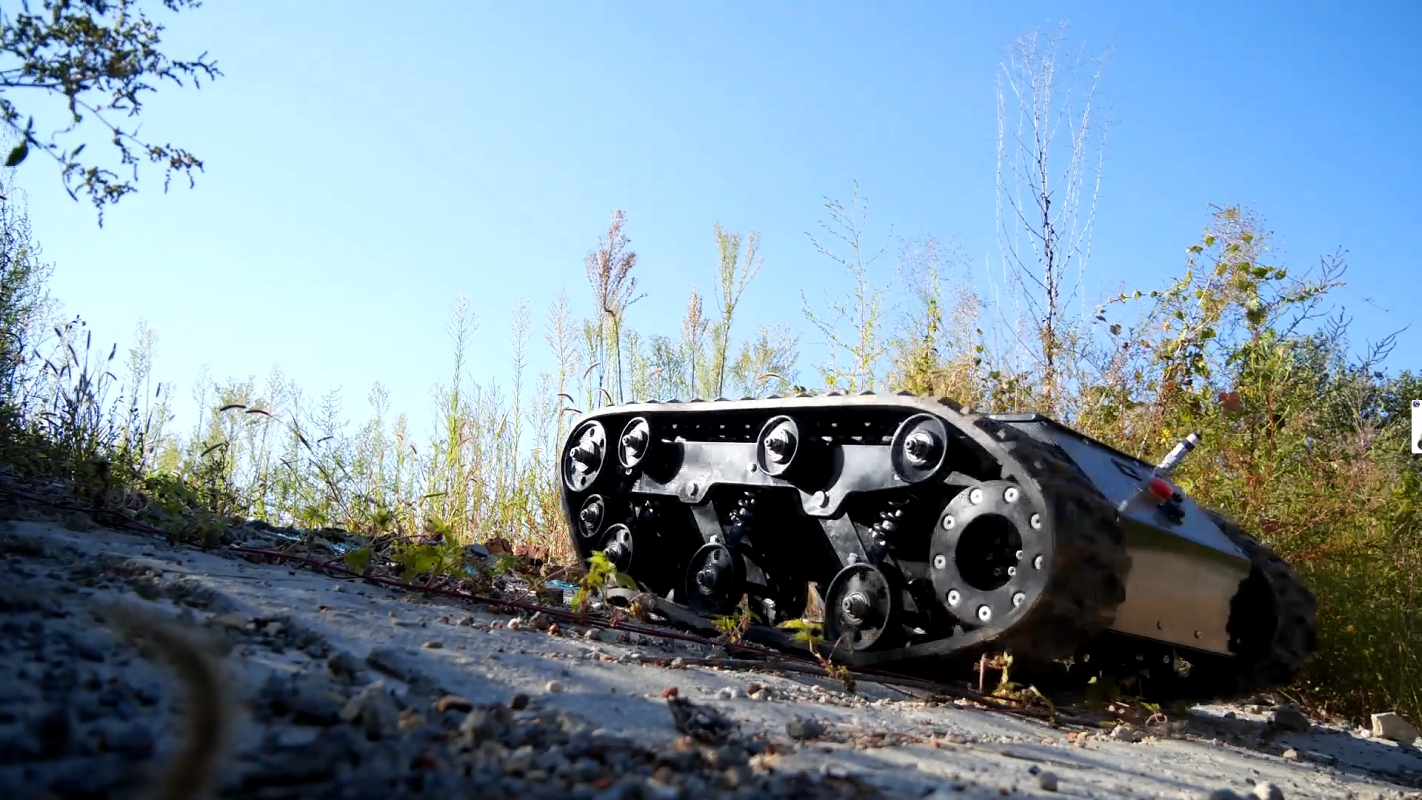
Advancements in material science are significantly enhancing tank treads' performance. For instance, the incorporation of high-strength titanium alloys and advanced carbon fiber composites offers a lighter, more durable alternative to traditional materials. These innovations not only reduce the weight of the treads but also enhance their resistance to wear and environmental stress, such as corrosion. As these materials evolve, we expect to see even more durable treads capable of enduring harsh conditions, reducing operational downtime and maintenance costs.
The future of tank treads includes smart technologies that improve performance and reduce maintenance costs. Automated systems can monitor tread condition in real-time, alerting operators to potential issues before they cause significant damage. Self-repairing materials are also being developed, which could allow treads to heal minor cracks or breaks, extending their lifespan and reducing downtime. These advancements will make tank treads more reliable and efficient in industrial applications.
The drive for sustainability in industrial equipment has led to the development of more environmentally friendly tank treads. New materials such as biodegradable composites and recyclable rubber are being introduced to minimize ecological impact. Moreover, improvements in manufacturing processes, such as reducing carbon emissions and waste, align with global sustainability goals. This emphasis on eco-friendly treads not only supports industry compliance with environmental regulations but also reduces the carbon footprint of machinery operations, ensuring a greener future for heavy-duty equipment.
Tank treads play a critical role in various industries, offering unmatched durability and stability, especially in challenging terrains. Despite their need for occasional maintenance, they outperform wheels in many situations, particularly in heavy-duty and off-road applications. The advancements in tread technology, such as the use of advanced materials and smart systems, promise to enhance performance while reducing operational costs. Shandong Guoxing Intelligent Technology Co., Ltd. continues to lead the way with its innovative tread solutions, providing high-quality products that support industries like mining, construction, and agriculture. Their focus on enhancing the longevity and efficiency of tank treads offers significant value to businesses seeking reliable, long-lasting equipment.
A: Tank treads are typically made from high-strength materials such as steel, rubber, and advanced composites. These materials help ensure durability, traction, and resistance to wear, making them ideal for heavy-duty applications in industries like mining and construction.
A: Tank treads offer superior traction and stability, especially on rough or uneven surfaces. Unlike wheels, tank treads distribute weight evenly, preventing vehicles from sinking into soft ground, making them ideal for challenging terrains like mud, snow, and rocky surfaces.
A: Yes, tank treads require regular maintenance, especially when used in harsh environments. This includes inspecting and replacing worn components like links and pads to ensure they function properly and prevent downtime.
A: Yes, tank treads generally outlast rubber tires in industrial applications. Their design and materials allow them to withstand higher stress, friction, and rougher terrains without wearing out as quickly as tires, making them more suitable for heavy-duty work.
A: Tank treads can put significant pressure on paved roads, especially in urban construction and mining. The concentrated weight of tracked vehicles can cause road degradation, but using rubber track pads can help mitigate this impact by distributing the weight more evenly.
A: Yes, tank treads are generally slower than wheels, especially on paved surfaces. However, they offer better performance on uneven or soft terrains where wheels might struggle. The trade-off between speed and traction is key when choosing between the two.
A: Tank treads are commonly used in industries such as mining, construction, agriculture, and military applications. They are ideal for environments requiring high traction, stability, and the ability to navigate challenging terrains like mud, snow, or rough surfaces.
A: Tank treads enhance equipment performance by providing better traction, stability, and weight distribution. This allows vehicles to perform efficiently in challenging conditions, preventing equipment from getting stuck and reducing the risk of damage to the working environment.